
Mistakes to Avoid When Moving to Orange County, CA
Yulree Chun Tio and Kai Kim are Orange County real estate advisors offering strategic marketing, skilled negotiation, and white-glove local guidance.
The marine layer rolls in thick some mornings, and one freeway exit later the sun is already burning through. That's Orange County, a patchwork of microclimates, school boundaries that ignore city lines, and HOA rules that can kill your Airbnb dreams even when the city says yes. People move here picturing endless sunshine and local schools, then discover their AC bill doubled, their kids got assigned to a different district, or their insurance carrier pulled out of their zip code entirely.
We help buyers relocate to Orange County without the blind spots that turn a dream move into daily regret. We've watched families choose the right house in the wrong neighborhood, skip the utility history during escrow, and assume a highly rated city automatically means their preferred school. Today we're walking through the ten biggest mistakes people make when moving here, starting at number ten and counting down to the one that quietly wrecks your time, your money, and your life.
Orange County rewards buyers who plan around their real life first and the house second. Nearly every regret we see connects back to one truth: if you shop for the home before you map your lifestyle, commute, climate preference, and daily conveniences, the dream can feel like the wrong fit fast. Let's make sure that doesn't happen to you.
Table of Contents
- Mission Viejo: STR-Friendly City, HOA-Blocked Reality
- Irvine: School Boundaries That Don't Match the City Lines
- Anaheim Hills: Inland Heat and the AC Bill That Follows
- Rancho Mission Viejo: Mello-Roos and the Supplemental Tax Surprise
- Ladera Ranch: Effective Tax Rates That Jump Above 1%
- Newport Beach: Strict STR Enforcement and the Marine Layer That Lingers
- Dana Point: Cool Mornings and Salt-Air Maintenance
- Yorba Linda: Warmer Inland Climate for Sun Seekers
- Which Orange County Area Is Right for You?
- Conclusion
Mission Viejo: STR-Friendly City, HOA-Blocked Reality
Mission Viejo is one of the few Orange County cities that allows short-term rentals, and buyers hear that and start calculating Airbnb income to offset their mortgage. Here's the thing: the city says yes, but most HOAs still say no. You have to find an HOA that permits STRs even though the municipality is on board, and that's a much narrower list than people expect.
This disconnect between city zoning and HOA covenants is one of the biggest traps for buyers who plan to rent out a room or the whole house for under 30 days. Platforms like Airbnb require visible license numbers, and if your HOA prohibits short-term rentals in the CC&Rs, you won't get that license no matter what the city allows. I've seen buyers close on a home, apply for the permit, and only then discover the HOA restriction buried in page 47 of the documents they skimmed during escrow.
If short-term rental income is part of your financial plan, verify the zoning, check permit availability, and read the HOA rules for your exact address before you write an offer. Consider midterm rentals instead, 30 days or more, which typically fall outside STR restrictions and still generate consistent income. The bottom line: short-term rentals can be lucrative, but without HOA approval and the proper licensing, your plans fall apart and leave you holding the full mortgage on your own.
Irvine: School Boundaries That Don't Match the City Lines
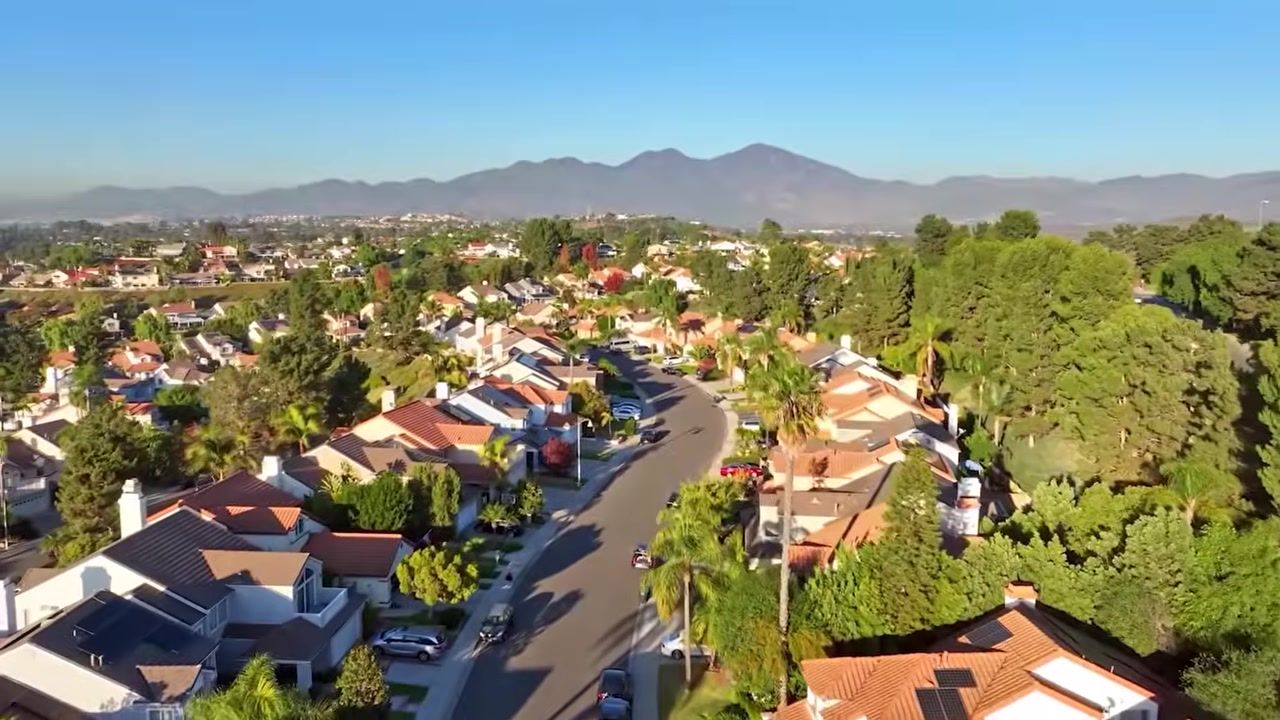
Irvine is huge, and families move here assuming that buying anywhere in the city automatically means Irvine Unified School District. That's not how it works. Parts of Great Park feed into Saddleback Valley Unified, not Irvine Unified, and buyers discover this after they've already fallen in love with a house. Saddleback is still a strong district, but if your goal was a specific Irvine Unified school, you just bought in the wrong zone.
School district boundaries don't follow city lines, and transfers to your preferred school are not guaranteed. I know buyers who moved to Irvine without checking the address on the district's official school finder, then spent the next year driving their kids across town because the assigned school was farther than they expected. Some Irvine schools are at overcapacity, so even if you're zoned correctly, there's no guarantee your child gets a spot. Call the district during your due diligence period and ask what happens if the school is full, where does your kid go as the backup?
The northern parts of Irvine also run hotter and drier than the rest of the city, which means higher AC costs in summer. It's not coastal-cool up there, and your electricity bill will reflect that. Irvine has Mello-Roos taxes in many neighborhoods, and supplemental tax bills can arrive months after closing when the county reassesses your purchase price. Budget for that first-year supplemental bill so it doesn't blindside you in month six.
Match the home to your educational goals, not the other way around. Verify your exact address using the district's school finder, confirm current enrollment capacity, and understand that a highly rated city does not automatically equal your preferred school. The microclimate and tax load vary just as much as the school zones, so treat Irvine like the collection of micro markets it actually is.
Anaheim Hills: Inland Heat and the AC Bill That Follows
Anaheim Hills sits inland, and that means the heat shows up fast once the marine layer burns off near the coast. Buyers picture Orange County sunshine and forget that inland areas like this one can be significantly hotter and drier than neighborhoods just a few exits west. Your AC will run longer, your heating costs rise in winter when temperatures drop at night, and your total utility budget climbs above what you expected.
Older homes in any part of Orange County can have insulation issues, but in Anaheim Hills the lack of coastal cooling makes poor insulation more expensive. If the windows aren't double-pane and the attic insulation is thin, you're paying to cool the outdoors. Request a 12-month utility history from the seller during escrow so you know what to budget. Energy prices in Southern California jumped 8% to 13% in 2025 alone, and time-of-use pricing peaks in the evening when you're actually home and running the AC.
The inland location also means you're farther from the beach, and the commute to coastal job centers can stretch depending on traffic. The 91 freeway runs loud through parts of the area, and freeway noise is something you need to test by visiting at different times of day. The hills and canyons are beautiful, but they also come with higher wildfire risk and the insurance challenges that follow. Some carriers have pulled out of California entirely, and foothills zip codes are often the first to lose coverage or see rates spike.
Budget for smart thermostats, upgraded insulation, and efficient appliances if you're serious about controlling costs here. The view and the sunshine are free, but the electricity to enjoy them is not. Anaheim Hills works well for buyers who want more space, a warmer climate, and don't mind the inland trade-offs, but go in knowing what those trade-offs actually cost.
Rancho Mission Viejo: Mello-Roos and the Supplemental Tax Surprise
Rancho Mission Viejo is a master-planned community with new construction, resort-style amenities, and Mello-Roos taxes that push your effective property tax rate well above the California base of 1%. Buyers hear "property tax is around 1%" and think that's the full story, but in communities like this one your total tax bill includes Mello-Roos bonds that fund schools, parks, and infrastructure. Your effective rate can jump significantly, and that changes your monthly payment.
Supplemental tax bills are common in new-construction areas because the county reassesses your home after you close. That bill can arrive three to six months later, and it's not small. First-time buyers especially get caught off guard when a four-figure supplemental bill shows up in the mail months after they've settled into the home. Budget for it during your planning phase so it doesn't wreck your cash flow.
The inland location means the heat shows up fast here, just like Anaheim Hills. AC costs run higher than coastal areas, and your utility budget needs to account for that. The community is still building out, so some of the promised amenities and retail may not be complete when you move in. Ask what's open now versus what's planned, and don't buy based on future promises that haven't broken ground yet.
Request a full tax breakdown during escrow that includes Mello-Roos, base property tax, and any HOA special assessments. Verify what the monthly HOA covers and whether there are any upcoming capital projects that could trigger a special assessment. Rancho Mission Viejo offers a newer-home lifestyle with strong community programming, but the tax load and climate are part of the package. Know the total cost before you fall in love with the floor plan.
Ladera Ranch: Effective Tax Rates That Jump Above 1%
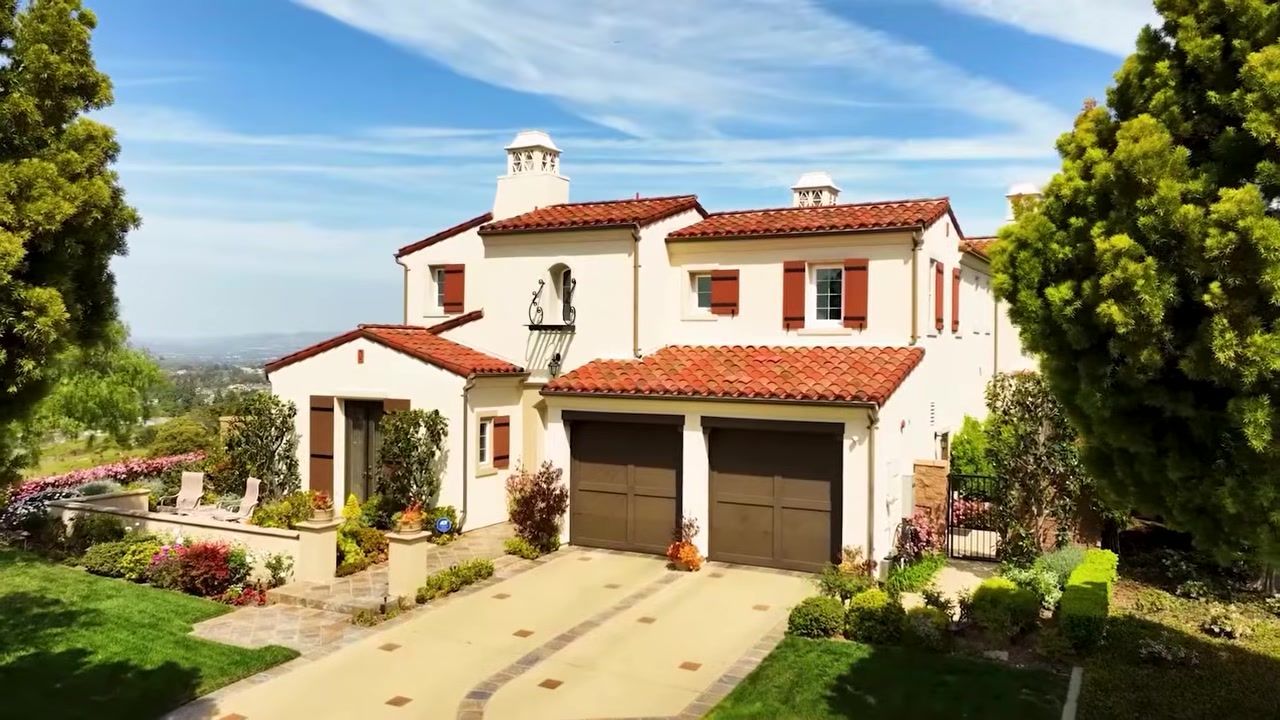
Ladera Ranch is another master-planned community where Mello-Roos taxes apply, and your effective property tax rate climbs above the 1% baseline. Buyers focus on the home price and the HOA fee, then discover their monthly payment is higher than expected because the tax bill includes bonds that won't sunset for decades. Supplemental tax bills are common here too, and HOA special assessments are always a possibility when the community needs to fund a major repair or upgrade.
The amenities are strong, pools, parks, trails, clubs, but they come with monthly HOA dues and the expectation that you'll participate in the community programming. If you want a neighborhood with no HOA telling you what to do with your property, Ladera Ranch is not that place. The rules are clear and enforced, and that's part of what keeps the community looking cohesive. Some buyers love that structure; others feel constrained by it.
The inland location means warmer weather and higher cooling costs, just like the other communities we've covered. The commute to coastal job centers or north toward Los Angeles can stretch during peak hours, and the 5 freeway runs loud in some parts of the area. Visit at different times of day to test the noise and traffic patterns that will affect your daily life.
Budget for the full tax load, not just the base 1%. Request the HOA financials and reserve study during escrow to see if any special assessments are on the horizon. Ladera Ranch works well for buyers who want a structured community with strong schools and programming, but the cost of entry includes Mello-Roos, HOA dues, and the lifestyle expectations that come with a master-planned development.
Newport Beach: Strict STR Enforcement and the Marine Layer That Lingers
Newport Beach has some of the strictest short-term rental enforcement in Orange County, with tight permit caps and primary residence requirements that make it nearly impossible to run an investment Airbnb here. The city actively monitors platforms, and listings without visible license numbers get shut down fast. If short-term rental income is part of your plan, Newport Beach is not the place to execute it.
The coastal marine layer can linger through late morning, and one freeway exit can mean the difference between a foggy start and full sun by 9 a.m. Buyers picture endless beach days and forget that the mornings can be gray and cool well into summer. If you need sunshine to feel energized, test the microclimate by visiting multiple times at different hours. Some people love the marine layer; others find it depressing.
Older coastal homes in Newport Beach often have worse insulation than newer inland builds despite the milder temperatures. Single-pane windows, thin walls, and minimal attic insulation mean your heating and cooling costs can run higher than expected even though the climate is moderate. Salt air and fog increase maintenance on windows, paint, and fixtures, budget for that ongoing upkeep or your home will look weathered fast.
The 405 freeway is less noisy than the 91 or the 57, but it's still a freeway and the sound carries depending on where you live. John Wayne Airport flight paths affect some neighborhoods more than others, and the noise windows vary by time of day. Visit during peak arrival and departure hours to hear what you're actually buying into.
Newport Beach offers coastal access, strong schools, and a prestigious address, but the trade-offs include strict STR limits, the marine layer, salt-air maintenance, and higher home prices. If you want the coastal lifestyle and can afford the premium, it's one of the best places to live in Orange County. Just don't expect to offset your mortgage with Airbnb income or wake up to sunshine every morning.
Dana Point: Cool Mornings and Salt-Air Maintenance
Dana Point sits on the coast with the same marine layer mornings as Newport Beach, and it's a strong option for buyers who want that cool, foggy start to the day. The climate is mild year-round, but the marine layer can linger, and salt air increases maintenance on everything exposed to the elements. Windows, paint, outdoor fixtures, they all need more frequent attention here than they would inland.
The coastal location means you're paying a premium for proximity to the beach, and home prices reflect that. Older homes may have insulation issues despite the moderate temperatures, so request a utility history and budget for upgrades if the windows are single-pane or the walls are thin. The 5 freeway runs through the area and can be loud depending on your exact location, so test the noise during your visits.
Dana Point works well for buyers who prioritize coastal climate over inland heat and don't mind the maintenance that comes with salt air and fog. The marine layer is part of the lifestyle here, not a drawback, and if you love cool mornings and easy beach access, this is one of the better coastal options in Orange County. Just know that the weather, the maintenance, and the price all come as a package.
Yorba Linda: Warmer Inland Climate for Sun Seekers
Yorba Linda sits inland with a warmer, sunnier climate than the coastal cities, and it's a good option for buyers who want more heat and less marine layer. The mornings are bright, the afternoons are warm, and you won't spend half the day waiting for the fog to burn off. If sunshine energizes you and you don't mind running the AC in summer, Yorba Linda delivers that inland feel without the coastal premium.
The trade-off is higher cooling costs and a longer commute to coastal job centers. The 91 freeway is one of the loudest in Orange County, and if you're near it, the noise is constant. Visit at different times of day to test how the sound affects you, and don't assume you'll get used to it. Some people do; others find it unbearable.
Yorba Linda offers larger lots, more space, and a different lifestyle than the coastal cities. The schools are strong, the community is established, and the climate is predictable. If you want warmth, sun, and room to spread out, this is one of the better inland options. Just budget for the AC, test the freeway noise, and understand that the commute west can stretch during peak hours.

Which Orange County Area Is Right for You?
Orange County has hundreds of micro markets, and the right area depends on your real life, not the house you fall in love with online. Commute, climate, schools, HOA culture, and daily conveniences all vary block to block, and choosing the wrong neighborhood means living with trade-offs you didn't plan for.
Start with your non-negotiables. If your job is in Irvine and you commute on the 405, going one direction versus the other can turn a 20-minute drive into 60 minutes each way. That's two hours a day, ten hours a week, and it will eat away at your quality of life faster than a beautiful kitchen makes up for it. Map your commute first, then shop for homes within the corridors that work.
If you want cool marine layer mornings and easy beach access, Dana Point and Newport Beach deliver that coastal climate. If you want sunshine and warmth without waiting for the fog to burn off, Yorba Linda and Anaheim Hills give you that inland feel. One freeway exit can mean the difference between gray mornings and full sun, so test the microclimate by visiting at different times of day and week.
School boundaries don't follow city lines, and a highly rated city does not guarantee your preferred school. Verify your exact address using the district's official school finder, confirm current enrollment capacity, and ask what happens if the school is full. Transfers are not guaranteed, and commute times to the backup school can wreck your morning routine.
HOA culture varies just as much as climate. Master-planned communities like Rancho Mission Viejo and Ladera Ranch offer strong amenities and programming, but they come with monthly dues, Mello-Roos taxes, and rules about what you can do with your property. If you want freedom to park an RV in your driveway or paint your house whatever color you want, look for neighborhoods with no HOA or minimal restrictions.
Daily conveniences matter more than you think. Where's the grocery store? How easy is it to access? Is there traffic every time you need gas? These small frictions add up, and they affect your happiness more than the size of your master bedroom. Stay in an Airbnb or hotel in the area you're considering, drive the routes you'll drive every day, and ask locals what they wish they'd known before they moved in.
The biggest mistake is not the wrong house, it's the right house in the wrong place. Orange County rewards buyers who choose life first and home second. Plan around your commute, your climate preference, your school goals, and your daily routine, then shop for the home within those boundaries. When you choose the right area first, the right home naturally follows.
Conclusion
Nearly every relocation regret we see in Orange County connects back to blind spots that were avoidable with better planning. Buyers skip the utility history and get hit with a $400 summer electric bill. They assume a good zip code means their preferred school, then discover the district boundary cuts through the middle of the neighborhood. They plan to offset their mortgage with Airbnb income, then find out the HOA prohibits short-term rentals even though the city allows them.
Microclimate, Mello-Roos, supplemental tax bills, school boundaries, insurance availability, wildfire zones, freeway noise, airport flight paths, HOA rules, and commute corridors all vary block to block. Orange County is not one market, it's hundreds of micro markets, and the right area depends on your real life, not the house you fall in love with online.
We help buyers relocate to Orange County without the blind spots that turn a dream move into daily regret. Our job is not just to help you buy a house, it's to help you make the right move for your life. If you're planning a relocation, call/text 602-828-7381 or book a FREE consultation here. We'll walk you through a personalized due diligence checklist that covers climate, taxes, insurance and neighborhood fit so your move feels confident from day one. When you choose the right area first, the right home naturally follows.
Frequently Asked Questions
Can I run a short-term rental in Orange County?
It depends on the city and the HOA. Mission Viejo allows short-term rentals at the city level, but most HOAs still prohibit them. Newport Beach has strict enforcement, tight permit caps, and primary residence requirements. Verify both the city zoning and the HOA rules for your exact address before you buy, and consider midterm rentals (30 days or more) as an alternative that typically falls outside STR restrictions.
Do school district boundaries match city lines in Orange County?
No. Parts of Irvine feed into Saddleback Valley Unified, not Irvine Unified. School district boundaries don't follow city lines, and a highly rated city does not guarantee your preferred school. Verify your exact address using the district's official school finder, confirm current enrollment capacity, and ask what happens if the school is full. Transfers are not guaranteed.
What are Mello-Roos taxes and where do they apply?
Mello-Roos are special taxes that fund schools, parks, and infrastructure in newer communities. They push your effective property tax rate above California's 1% baseline and can add hundreds of dollars to your monthly payment. Irvine, Rancho Mission Viejo, and Ladera Ranch all have Mello-Roos in many neighborhoods. Request a full tax breakdown during escrow so you know the total cost, and budget for supplemental tax bills that arrive months after closing.
How much do utilities cost in Orange County?
It varies by location and home age. Inland areas like Anaheim Hills and Rancho Mission Viejo run hotter and drive up AC costs. Older coastal homes often have worse insulation despite milder temperatures. Energy prices in Southern California jumped 8% to 13% in 2025, and time-of-use pricing peaks in the evening when you're home. Request a 12-month utility history from the seller during escrow, and budget for smart thermostats and insulation upgrades.
Is homeowners insurance hard to get in Orange County?
It depends on your zip code and wildfire risk. Some carriers have pulled out of California entirely, and foothills or canyon areas often face higher rates or coverage gaps. You may need California's FAIR plan in certain zones, and you won't get to add flood or earthquake coverage if your carrier doesn't write in that area. Get quotes early in your inspection period using a local broker who knows which carriers write in each zip code, and verify your wildfire score before you make an offer.
How do I choose the right Orange County neighborhood?
Start with your non-negotiables: commute, climate preference, school goals, HOA tolerance, and daily conveniences. Map your commute first, then shop for homes within the corridors that work. Test the microclimate by visiting at different times of day and week. Verify school boundaries using the district's official school finder. Stay in an Airbnb or hotel in the area, drive the routes you'll drive every day, and ask locals what they wish they'd known. Choose the right area first, and the right home will follow.

Stay ahead of trends
Orange County AND BEYOND Market UPDATES
Go beyond the headlines with our deep-dive analysis into local real estate trends and economic shifts. We translate complex market data into actionable advice for homeowners and investors.