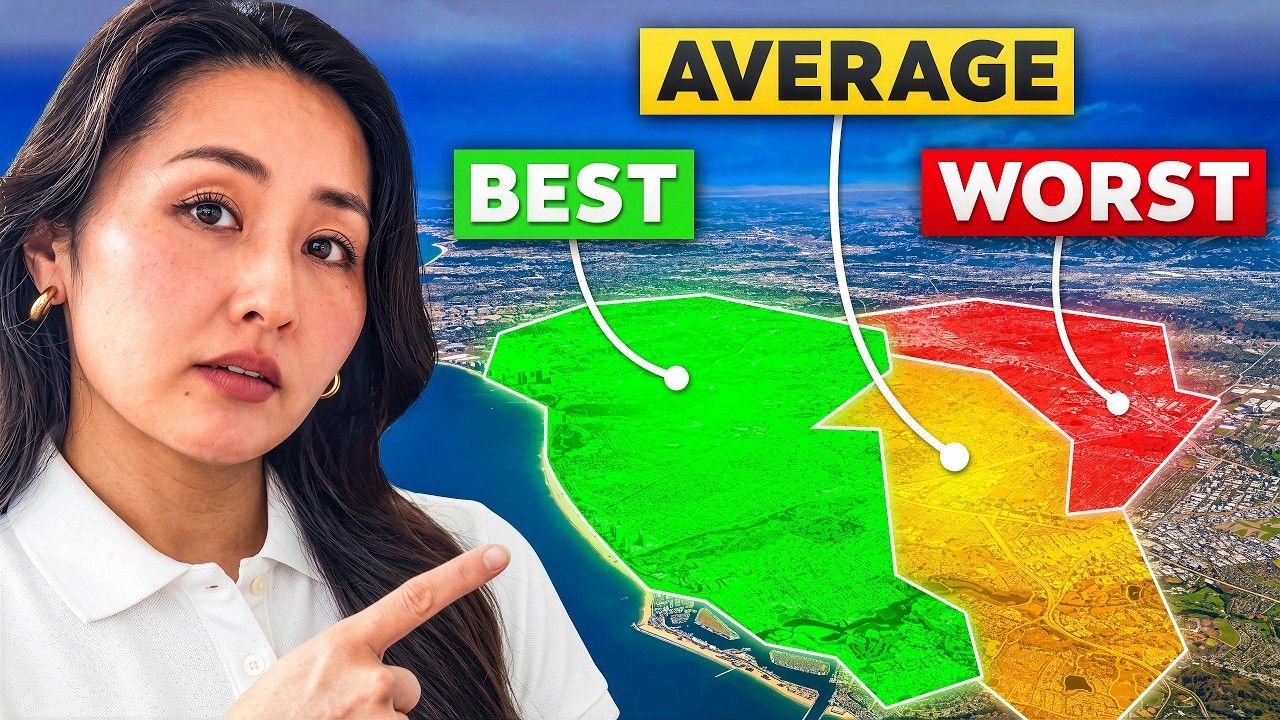
Orange County Fire Zones: What Homebuyers Need to Know
Yulree Chun Tio and Kai Kim are Orange County real estate advisors offering strategic marketing, skilled negotiation, and white-glove local guidance.
Walk through any hillside neighborhood in Orange County on a Saturday morning and you'll see the same thing: sprinklers running against wood fences, bark mulch piled thick around the foundation, firewood stacked under the eaves. Nobody thinks twice about it. But as of August 2024, the state does. The California Board of Forestry just approved Zone 0, a brand-new rule about the first five feet around your house, and it only applies to homes inside very high fire hazard severity zones. Most buyers have no idea which side of that line their address falls on until they're already in contract.
We help hundreds of families relocate to and within Orange County every year. This is one of the biggest changes I've seen in how we talk to buyers about picking an area. It's not about crossing entire cities off your list. It's about checking a specific address before you write an offer, because two homes on the same street can come back with completely different insurance quotes.
Last year, the State Fire Marshal sent Orange County an entirely new set of fire hazard severity zone maps. Over the months that followed, cities across the county adopted them into law. Five cities were newly mapped. Two of them, Costa Mesa and Huntington Beach, came back without a very high fire zone anywhere. The other three picked one up. And in two areas already on the map, the lines moved enough to matter. We're covering Placentia, Buena Park, Laguna Hills, Anaheim Hills, and San Clemente. If one of those cities was in your plan, stay with me, because I'm also going to tell you where else you can get a similar lifestyle without that extra cost layer.
Table of Contents
- Placentia: Closer to Yorba Linda Without the Price Tag
- Buena Park: The Fire Zone Nobody Saw Coming
- Laguna Hills: Toll Road Access Meets New Fire Designation
- Anaheim Hills: More of the Neighborhood Falls Inside the Zone
- San Clemente: Substantial Change to the Coastal Fire Map
- Which Orange County Area Is Right for You?
- Conclusion
Placentia: Closer to Yorba Linda Without the Price Tag
Placentia is one of the three newly mapped cities that picked up a very high fire hazard designation. The city council adopted it in June 2024. If you've been looking at Placentia because it gets you closer to Yorba Linda without the Yorba Linda price tag and you still want a strong school district, that's a very reasonable thing to want. Nothing about the neighborhood itself has changed. What changed is that the northern part of the city now carries a designation that did not exist on any map before the 2025 update.
That designation triggers four things automatically. One, it has to be disclosed when you sell. Two, the owner has to maintain defensible space, generally 100 feet from the property. Three, new construction has to meet Chapter 7A fire standards, which costs more to build. And four, starting this fall, Zone 0 applies. That's the new rule about the first five feet around your house. None of this is my opinion. It's state law tied to which side of a line an address falls on.
I'm not going to tell you which part of Placentia sits inside the zone, because the honest answer is it depends on the address, property by property. If you have one specific address in mind, send it to us. We can pull it up on the city's adopted map and tell you exactly what it's designated for. We can also get it in front of an insurance broker we work with so you have availability and a price range on that specific house before you write the offer. We don't think of it as extra work. It's just how we do things, because you should be deciding with a real number in front of you, not finding it out after you're already in contract.
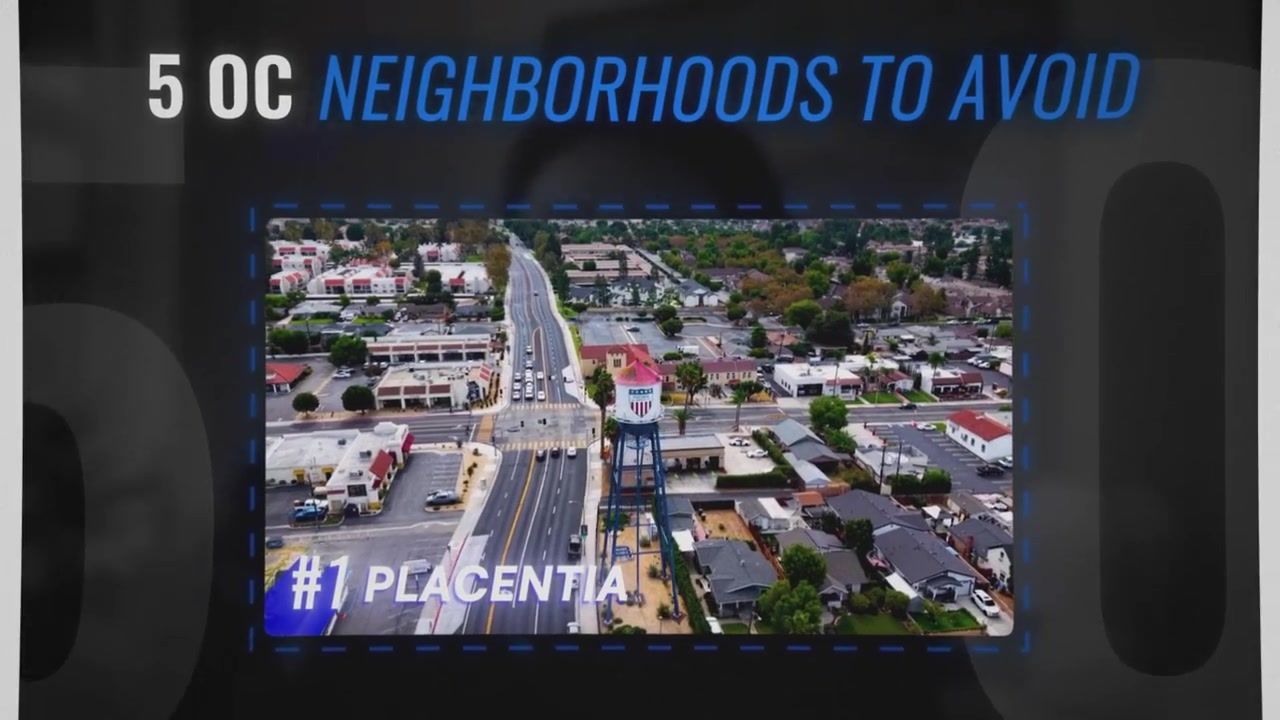
What Zone 0 Means for Placentia Buyers
Zone 0 is the first rule of its kind in the country. It covers the first five feet around your house, basically the wall out to the edge of your planter bed. The reason is embers. It's usually not a wall of flame that takes a house. Something combustible against the wall catches, and then the house catches. Inside that five feet, nothing can burn.
Picture it on a real house: the bark mulch in the planter along the front, the leaves that pile up by the front door and stay there, the firewood stacked against the garage wall, dead plants, storage under the deck where a wood fence meets the siding. All of it comes out. What goes back in is gravel, stone, pavers. The timing: it goes through a final legal review first and should take effect at the end of September 2024. Right now it's approved but not enforceable yet. New construction meets it right away. An existing house gets phased in. Roof and gutters clear from day one. The mulch, leaves, and firewood need to be out within three years. The vegetation-free buffer and the fence connection within five years. This is not a bill at closing. It's a maintenance standard you take on with the house.
The Flat Parts of Placentia Still Work
Here's what people miss: the flat parts of Placentia that are not in the fire zone still offer newer construction at a lower price than some hillside areas. I had a couple renting in Foothill Ranch. They loved it there and they wanted to buy in the same area with the same kind of newer construction. We checked the specific address they were looking at and it came back very high zone. The insurance numbers followed from that, and it was out of their budget. They ended up in Placentia. Both things are true: Placentia picked up a new very high designation, and they ended up in a flat part of Placentia that's not in the zone. They got that same modern new construction they loved about Foothill Ranch but at a much lower price. It was never about the city. It was about which side of a line one address fell on.
Buena Park: The Fire Zone Nobody Saw Coming
Buena Park is the one nobody saw coming because nobody starts a Buena Park home search expecting a wildfire conversation. But here's what the city itself says: the 2025 update covers a small section in the northern part of Buena Park, and it replaces a map the city adopted back in 2012. It's not the whole city, and it's worth being precise about that, because if the address you're looking at is nowhere near the north end, this part does not apply to you.
But that's exactly why I'm covering it. You don't think to check Buena Park, and that's how people get surprised. If it's on your list because of what it costs relative to Fullerton or Anaheim, that math still works for a lot of buyers. Just make sure you run the specific address first. The same four consequences apply if an address falls inside the zone: disclosure, defensible space, Chapter 7A construction standards, and Zone 0.
The designation sits in the northern section only. Most of the city is unaffected. But if you're writing an offer on a street that backs onto open space or sits near the northern edge, pull the city's adopted map and check where the line falls. Get an insurance quote on that specific property before you remove contingencies. The seller already has a policy. There's no reason it should stay a secret until after you're in contract.
Laguna Hills: Toll Road Access Meets New Fire Designation
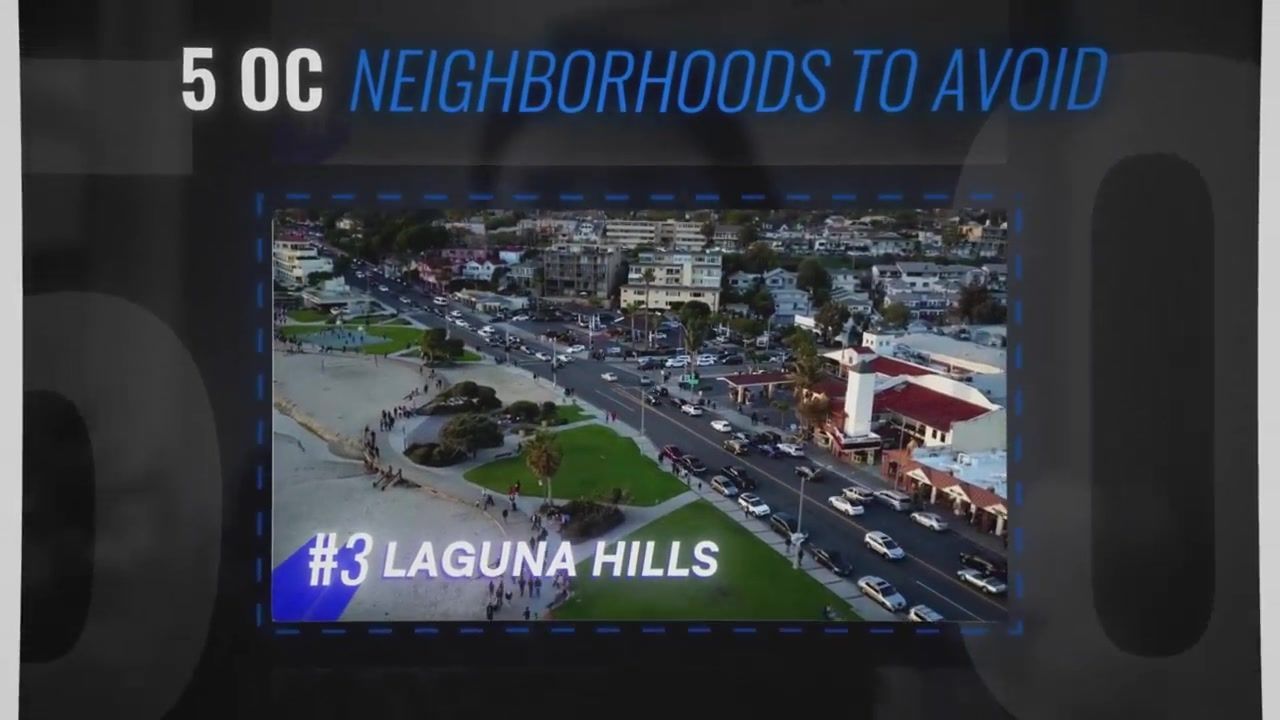
Laguna Hills is the third newly mapped city that picked one up. People search it because it sits close to the toll roads, great for commuters who want that really fast commute, close to Laguna Beach, and it still comes in under price compared to a lot of the South County hillside addresses. All of that is still true. What's new is that part of the city now carries that very high fire designation with the same four consequences attached.
If a specific street there backs onto open space or a canyon, that's exactly the kind of address where I want an insurance quote in hand before writing an offer rather than after. It's also the kind of lot where Zone 0 means real landscaping work, because the planting right up against those houses tends to be mature and dense. The first five feet is not just going to be a five-minute job.
Canyon Lots and Insurance
Insurance is not priced by city and it's not priced by zip code. It's priced property by property. It's looking at the terrain behind a lot, how the fire department can reach it, what the defensible space looks like, the construction of the house itself. Two homes on the same street can come back with completely different quotes. Zone 0 works the same way, just with a line instead of a number. Which side of that line one address falls on, not which city it sits in.
Laguna Hills still works for plenty of buyers. The difference is never the city itself. It's whether a specific address, your budget, and the way you actually want to live all line up. You get that wrong and you either overpay for a hillside view you didn't actually need, or you fall in love with a home you have to walk away from once the numbers come back.
Anaheim Hills: More of the Neighborhood Falls Inside the Zone
Anaheim Hills is different because it's expected. It's already on the maps. This is not a new city on the list. It has had hillside terrain and canyon exposure for as long as it has been a neighborhood. But what changed is how much of it falls inside the map area. Anaheim's own fire marshal said publicly that the update pushes the city's acreage in these zones up and that the increase sits in the east of Anaheim within Anaheim Hills.
If you're looking there for the views, the lot sizes, the toll road access, those are all still good reasons. Just know that more of the neighborhood sits inside the mapped area than before. Check address by address, not neighborhood by neighborhood. More homes there fall under Zone 0 now than you would expect. On a hillside lot with mature landscaping against the house, that first five feet is not just going to be a five-minute job.
What the Fire Marshal Said
The fire marshal's statement matters because it's not a rumor and it's not a headline. It's the city's own assessment of how the 2025 update changed the acreage inside the zones. The increase sits in the east of Anaheim within Anaheim Hills. That's the part of the city where canyon lots, hillside streets, and mature landscaping meet. If you're writing an offer on a home with a view, walk the perimeter and look at the first five feet. Is there bark mulch in the planters, leaves in the corners, firewood against the wall? Is there a wood fence tied to the siding, or storage under the deck? None of that is a deal breaker. It's fixable and none of it has to be fixed on day one. But it is work that Zone 0 will ask for within three to five years. It's easier to know going in than after you already own the house.
San Clemente: Substantial Change to the Coastal Fire Map
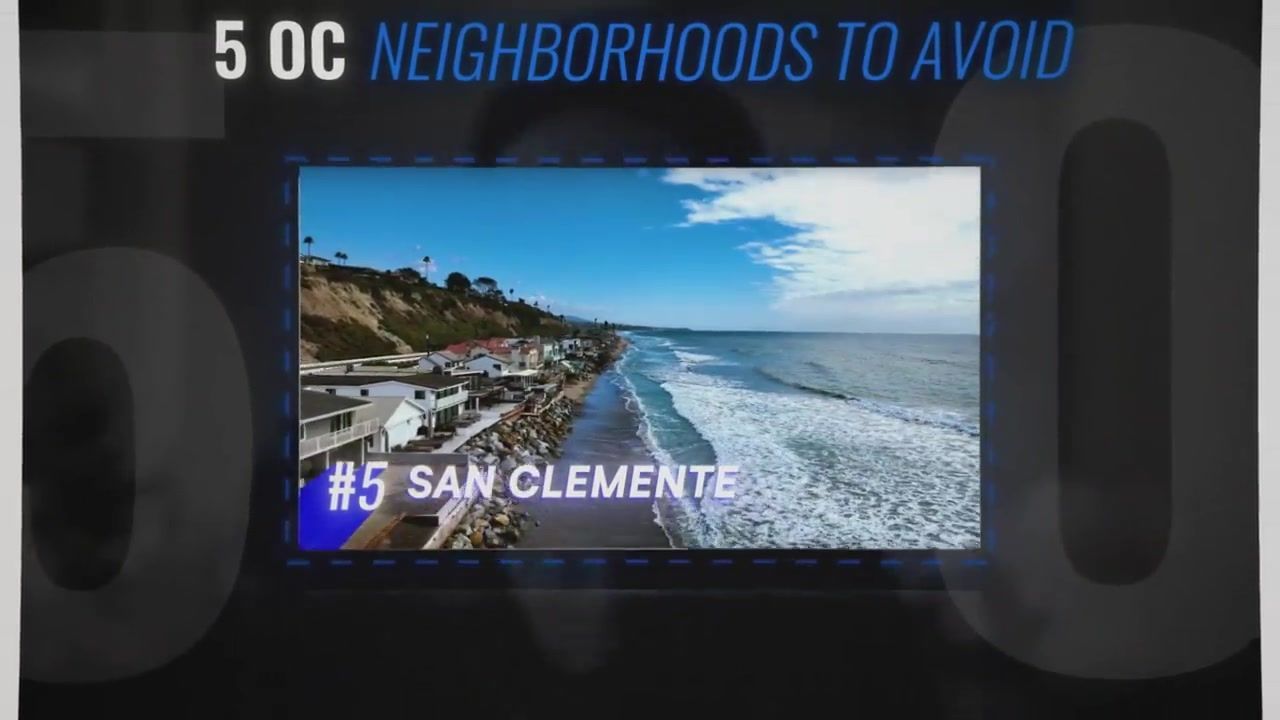
San Clemente is the one I need to address directly because I have recommended the city on this channel before as a good value coastal option. A lot of that still holds, so I'm not changing my mind about that. But here's what happened. In April 2025, San Clemente's community development director told the city council that the change to the city's fire hazard map was substantial. Substantial is the word the city used, not mine.
San Clemente's appeal has always been the Spanish tile roofs, the ocean views from the hillside streets, the walkable pier, and a price point more approachable than a lot of coastal Orange County. None of that has changed. What changed is how much of the city falls inside that very high fire designation with the same four consequences we've been talking about: disclosure, defensible space, Chapter 7A construction standards, and Zone 0.
Canyon Terrain and Hillside Streets
Because the terrain there runs through canyons that reach almost all the way down to the hillside streets, this is a city where one zip code hides two completely different answers depending on which street you're on. The move is not to cross the entire city off. It's to pull that specific address and get a real quote before you are in contract.
Every one of these five cities still works for plenty of buyers. That's worth saying clearly. The difference is never the city itself. It's whether a specific address, your budget, and the way you actually want to live all line up. San Clemente is still a good value coastal option. You just need to know which side of the line your address falls on before you write the offer, not after you're already holding the bill.
Which Orange County Area Is Right for You?
Everything I've shared so far, none of this means you have to give up the life you pictured when you started looking into Orange County. Usually it just means a little bit of tweaking. Usually it's another address, another neighborhood, sometimes ten to fifteen minutes away where the conversation is much simpler.
Choose Fullerton or Brea if Placentia was on your list for the price point. Similar access to the 91, similar day-to-day, and neither picked up a new very high designation.
Choose Cypress if Buena Park was on your list. Same North County position, same commute if you're working near the 5 or the 91.
Choose Mission Viejo if Laguna Hills was on your list for the toll road access and that South County position. It's also established, largely built out, and a lot of buyers land there for exactly the reason they were looking at Laguna Hills, just a little bit more inland if you're okay with that. Mission Viejo also has very high fire zones of its own though, so that one still needs checking street by street.
Choose flatter parts of Yorba Linda or Brea if Anaheim Hills was on your list for the views and the bigger lots. Same North County feel, same freeways. Yorba Linda has hillside sections of its own, so that needs checking address by address too, but it opens up your search.
Choose Huntington Beach or Seal Beach if San Clemente was on your list for that ocean access and more of that small town feel. You still get a beach town, a pier, walkable downtown, but you're trading canyon views for flatter terrain.
None of these are necessarily the safer pick. I'm not telling you one area is better than the other. I'm just telling you the starting point is different. And every one of them, even if not in those designated zones, you still need to do background checks on those specific addresses. The terrain changes street by street everywhere in this county, not just in the five places we covered.
Conclusion
None of this is about whether Orange County is a good place to buy. It still definitely is for the same reasons people have been moving here for decades. It's about knowing what a specific address will cost you every month before you are the one holding the bill. If you skip that step, you either end up with a monthly number you did not plan for, or on the opposite side, you cross off a great area because of a headline instead of a real quote on a real address.
Call/text 602-828-7381 or book a FREE consultation here and we will go through the exact address together. We can pull it up on the city's adopted map, get it in front of an insurance broker, and give you a real number before you write the offer. That's how we do things.
FAQ
What is Zone 0 and when does it take effect?
Zone 0 is a new state rule about the first five feet around your house. It was approved by the California Board of Forestry on August 19, 2024, and is pending final legal review. It should take effect at the end of September 2024. It only applies to homes inside very high fire hazard severity zones. Inside that five feet, nothing can burn, no bark mulch, no leaves, no firewood, no combustible materials. What goes back in is gravel, stone, or pavers.
Do I have to fix Zone 0 issues before I buy a house?
No. Zone 0 is not a bill at closing. It's a maintenance standard you take on with the house. Existing homes get phased in. Roof and gutters clear from day one. The mulch, leaves, and firewood need to be out within three years. The vegetation-free buffer and fence connection within five years. New construction meets it right away.
How do I check if a specific address is in a fire zone?
Pull the exact address up on the city's severity zone map, not the countywide map and not the state version. You want the map the specific city adopted because that's the version tied to disclosure, building requirements, and whether Zone 0 applies. If you send us an address, we can pull it up on the city's adopted map and tell you exactly what it's designated for.
Will my insurance cost more if I'm in a fire zone?
Insurance is priced property by property, not by city or zip code. It looks at the terrain behind a lot, how the fire department can reach it, what the defensible space looks like, the construction of the house itself. Two homes on the same street can come back with completely different quotes. That's why we help buyers get an actual quote from a licensed insurance broker on that specific address before they write an offer, not after.
Should I avoid these five cities completely?
No. Every one of these five cities still works for plenty of buyers. The difference is never the city itself. It's whether a specific address, your budget, and the way you actually want to live all line up. The flat parts of Placentia that are not in the fire zone still offer newer construction at a lower price than some hillside areas. The northern section of Buena Park sits in the zone, but most of the city is unaffected. Check address by address, not city by city.
What should I ask the listing agent before I write an offer?
Ask for the seller's current premium and who carries the policy. The seller already has this. There's no reason it should stay a secret until after you're in contract. Also ask an insurance broker to answer one more thing: is this a standard homeowner's policy, or is it a FAIR plan paired with a difference in conditions policy? The FAIR plan dwelling limit goes up to $3 million, and in this county, plenty of the homes my buyers are looking at sit very close to that ceiling.

Stay ahead of trends
Orange County AND BEYOND Market UPDATES
Go beyond the headlines with our deep-dive analysis into local real estate trends and economic shifts. We translate complex market data into actionable advice for homeowners and investors.