
SB 79 & Orange County Real Estate: What to Know
Yulree Chun Tio and Kai Kim are Orange County real estate advisors offering strategic marketing, skilled negotiation, and white-glove local guidance.
Half a mile. That's the distance that could decide what your Orange County home is worth in a year or two. A new California housing law, SB 79, allows developers to build apartments within half a mile of certain rail stops, even in cities that voted against it. The law skips the local approval process entirely. Your city council doesn't get to stop it.
We help families relocate to and around Orange County every day, from Fullerton and Yorba Linda in North OC to the central areas like Costa Mesa and Tustin, all the way down to Rancho Mission Viejo. Right now, SB 79 doesn't apply here yet. But that could change as soon as early 2027, and the shift won't happen countywide. It will happen address by address, based on how close you sit to a qualifying rail stop.
This isn't a small law. Supporters estimate it could open the door to roughly 1.5 million additional housing units statewide. The height and density standards officially took effect July 1st of this year. From that date, cities that fall under the law have to apply the new standards to new applications. So does this apply to your house in Orange County right now? No. But the timeline is close enough that the smart move is knowing where you stand before the map gets redrawn.
Table of Contents
Orange County: How SB 79 Works and When It Takes Effect
Imagine you own a home in a quiet Orange County neighborhood. Your street has been zoned for single-family houses since the 1960s. Then the state passes a law that says a developer can come in, build a five-story apartment building just down the block, and your city council doesn't get to stop it. That's SB 79. It makes qualified transit housing an allowed use on land zoned for homes, mixed-use, or commercial, as long as that land sits near specific transit stops. The keyword is allowed. It overrides the local approval process.
Normally, if a developer wants to build taller or denser than what zoning currently allows, they have to go to the city, apply, sit through hearings, and neighbors show up. Projects get delayed for years or they die. SB 79 skips that fight entirely in the areas it covers. People hear this and their first instinct is to picture their whole neighborhood getting rezoned overnight. That's not what happens. SB 79 doesn't rewrite the zoning map for an entire city. It works site by site. Think of it less like a citywide power switch and more like a single porch light. It only turns on for specific lots close enough to a qualifying stop.
Two houses on the same block could land on opposite sides of that line. One falls under the new law. One keeps the old rules. It really comes down to distance from a stop. That's it. The law doesn't apply everywhere in California. It only switches on in what the state calls an urban transit county. To qualify, a county needs more than 15 passenger rail stations. That's the criteria: a station count of 15.
The State Housing Department's advisory memo lists the counties that qualify today. There are seven: Sacramento, Alameda, San Francisco, San Mateo, Santa Clara, Los Angeles, and San Diego. Orange County right now is not one of them. Think about that. Orange County has more than 3 million people. We have Metrolink. We have one of the busiest bus systems in Southern California. Yet we still sit outside this law because we have less than 15 stations.
Why the Station Count Matters More Than You Think
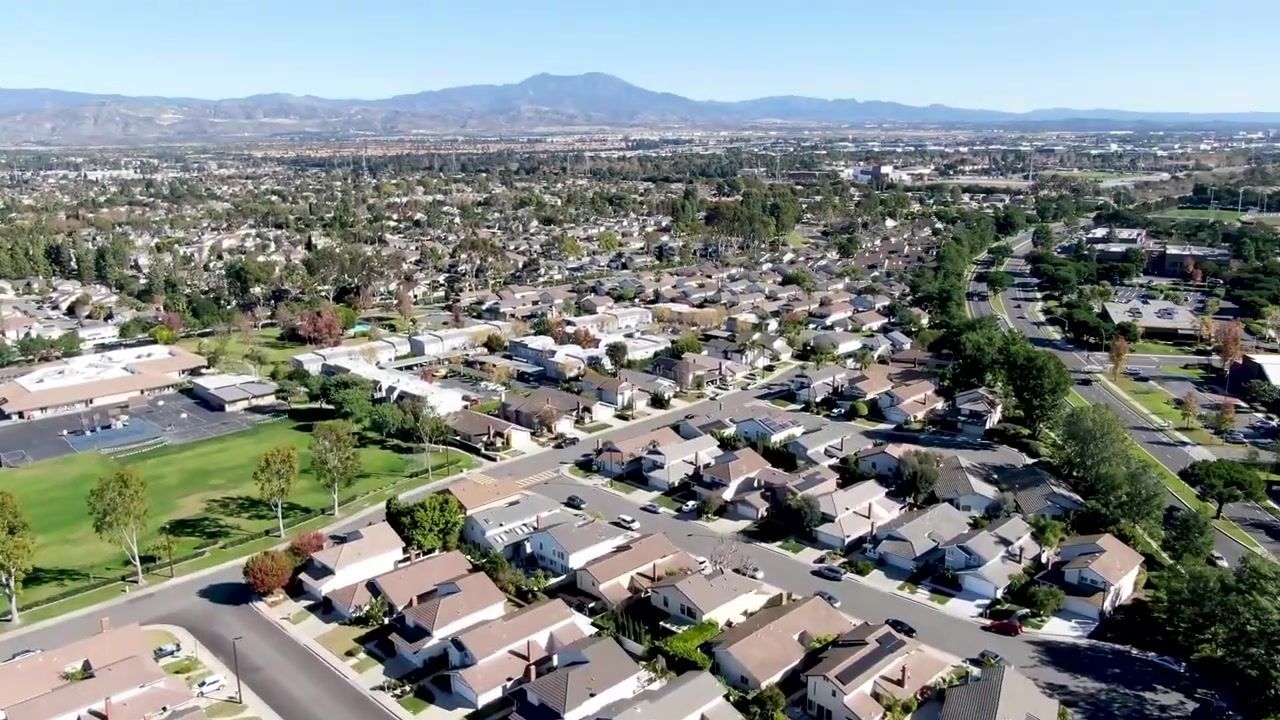
This is the part people get wrong. It's not about whether your specific city has a station. It's a countywide count. Fullerton has a Metrolink stop. They've had it for decades. Anaheim has one at ARTIC. Irvine has one too, serving both Metrolink and Amtrak. Side note: right now kids 17 and under ride Metrolink free on weekends with a paying adult. We had a client who did this recently for a staycation to San Juan Capistrano from Irvine. Absolutely loved it. Highly recommend it.
Each of those stations already counts toward the tally. None of them on their own get Orange County over that 15-count threshold. People hear "my city has a train station" and assume the law already applies in their city. It doesn't work that way. It works county by county. The city of Santa Ana says it directly on their own website: Santa Ana isn't subject to the law right now because Orange County as a county hasn't qualified yet.
You might have read something different. There was an earlier analysis floating around from earlier this year that listed eight counties and included Orange County. But that came before the State Housing Department clarified things. If someone tells you SB 79 is already active in your city or in Orange County, that's probably where they got it. It's out of date.
The OC Streetcar and the 15-Station Threshold
If Orange County is not part of the SB 79 group yet, what makes it part of it? It comes down to one project, and it's already under construction. There's a little over a four-mile stretch of track being built through Santa Ana and Garden Grove right now. It could be the most important piece of infrastructure for Orange County property owners, especially those who live in dense neighborhoods, in the next few years. It's called the OC Streetcar .
Per OCTA's project page, the line connects Santa Ana Regional Transportation Center to Harbor Corridor with 16 stops along those four miles. It ties into Metrolink and Amtrak at the Santa Ana hub. On its face, it's a local transit project. Most people outside of Santa Ana and Garden Grove barely even think about it. Most people don't even know about it. But those new stops count toward the county's passenger rail station tally. Remember the number 15? It goes toward the whole county. SCAG's own methodology says Orange County is anticipated to qualify as an urban transit county once the OC Streetcar opens to riders.
I want to slow down on that because it could be misconstrued. This is all anticipated. SCAG's document adds that it's subject to confirmation once the county has more than 15 qualifying stations. The state hasn't run the final count. Nobody has stamped it. Every serious source says it the same careful way: it's expected to qualify, not it has qualified yet. On timing, I'll be straight with you because it has moved. We're targeted for early 2027. The timeline slipped before, so treat that as a target, not a promise. This isn't years and years out, but it's also not tomorrow. It's close enough that the smart move is knowing where you stand now before the map gets redrawn.
Existing Metrolink Stops Could Qualify Too
Here's the part that a lot of people don't even think about or talk about. Once Orange County crosses that 15-station threshold, the county's existing Metrolink stations get evaluated too. Not just the streetcar stops. We're talking Fullerton , Buena Park , Anaheim , Orange , Tustin , Irvine , Laguna Niguel , San Juan Capistrano , and San Clemente . Whether each one actually qualifies depends on how often trains run through it, because that's how the state evaluates station by station. Not everyone will meet the frequency requirements. But this law's reach could extend well past the streetcar corridor once the county tips over that line.
You might be wondering at this point, why doesn't the bus network count? That's a fair question. The answer is written into the law. The threshold is passenger rail specific: light rail, heavy rail, commuter rail. It even excludes stations served only by Amtrak's long-distance service. All those bus lines, as useful as they are, don't move the county's count. Metrolink stops are the ones that count, but on their own right now, they don't add up past 15. The OC Streetcar is considered light rail, so that's the category that counts. That's why this one project closes a gap 100 bus routes wouldn't.
Which Areas Fall Inside the Half-Mile Zone
Let's say Orange County is now an active SB 79 county. Which areas are most directly affected? SB 79's requirements only apply inside a transit-oriented development zone. That's the area within half a mile of a qualifying stop. In smaller cities, it drops to a quarter mile. It's basically a circle. Your address is either inside of it or outside of it.
Think about what that looks like on the ground. A half mile is about a 10 to 12 minute walk. We're not talking about a tight cluster of buildings right around the station platform. We're talking blocks deep in every direction, cutting across entire residential pockets that have nothing to do with the station itself. One misconception we hear constantly: buyers assume that if a home isn't literally bordering a rail line, it's safe. That's not how this radius works. A home can still sit well inland from the tracks in the middle of a residential block, and every house around it falls inside the zone. It doesn't matter if you can see the train or hear the train from your yard. If you're in the zone, you're in the zone.
If you're buying in Orchard Hills or Coto de Caza , Yorba Linda , Rancho Mission Viejo , none of this is going to reshape your street. Those areas sit nowhere near a qualifying stop. But what it might do over time is make yours scarcer around the county.
How This Changes Property Values
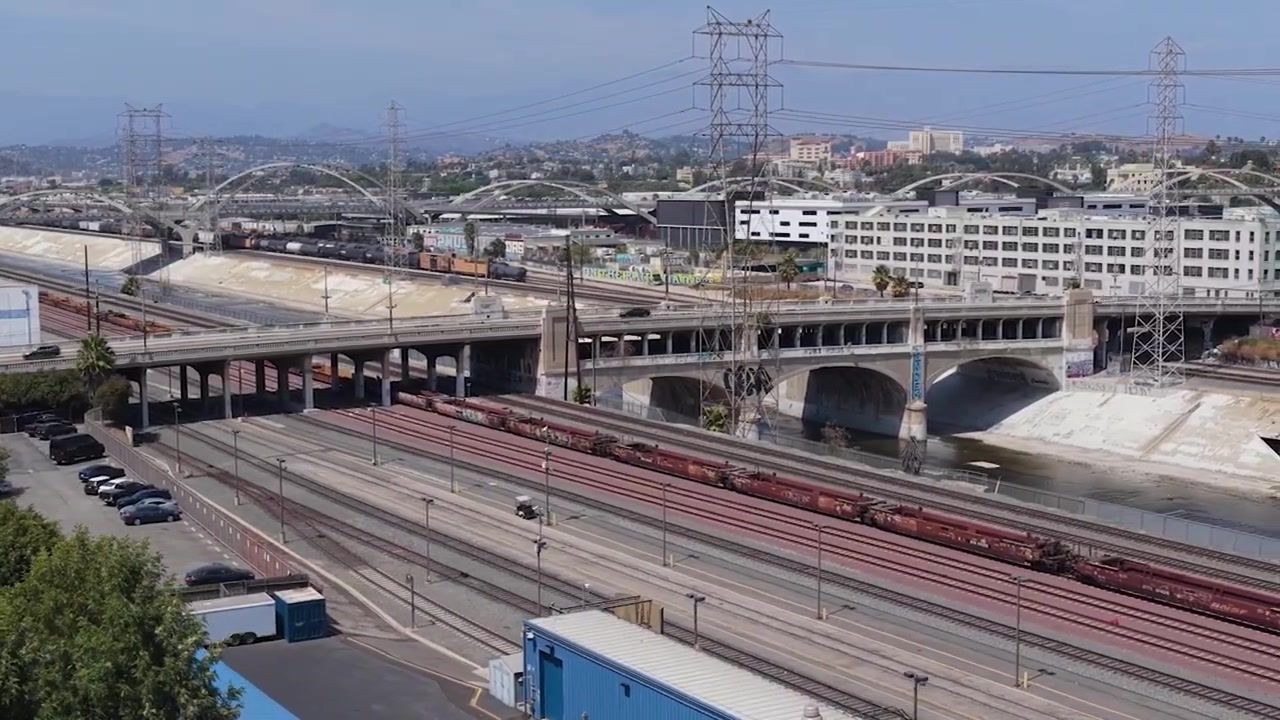
Here's what that does to value. I'm going to be honest about what we know and what we don't know. Inside the circle, the calculation changes. Your land stops being the dirt under the house and starts being a site with development potential. In some cases, the land becomes worth more than the house sitting on it. We don't have the Orange County numbers yet because the law isn't live here yet. So let's look at San Diego as an example, where it is live.
Reporting from June describes buildings in San Diego up to eight stories allowed right next to the trolley stations and up to five stories within half a mile. Plenty of those lots sit under ordinary single-story homes that are decades old. Same kind of house you'd see half a mile further out, but now completely different rules. The same report says owners there hadn't realized their land value had already changed. Think about how much it changes the landscape of the area near the station.
Outside of the circle, different story, but you still get affected. If a lot of nearby land gets redeveloped into apartments, a single-family house on a lot in a quieter pocket becomes more rare. More rare usually means more expensive. You get two very different outcomes, same law. The only difference is half a mile.
What Buyers Need to Know Before Writing an Offer
If you're buying in Orange County in the next 6 to 12 months, here's how I'd actually use this information. First of all, don't panic. Nothing about SB 79 is active on your street today. It's not active tomorrow or the end of year or really next year. You're not buying next to an approved eight-story building tomorrow. But you do want to ask yourself some questions before you write your offer.
First, where does this address sit relative to the OC Streetcar route and the rest of the county's existing rail stations? If the county qualifies later, that circle gets drawn around specific stops and it either includes your home or it doesn't. Another question you want to ask yourself is your timeline. Are you planning to stay in this house short-term? If so, this probably doesn't affect you very much. If you're going to stay midterm, let's say 3 to 5 years, you may actually be on the flip side and as a seller be open to selling to a developer. If you're thinking long term, that is when you do want to think a little bit more deep about exactly where you're going to sit.
Either way, the move is the same. Know where the line is before you commit to an address. I'm not telling you to buy or avoid anything based on this law. I'm empowering you with information so that you can make confident decisions.
What Sellers Need to Know About Pricing and Timing
For sellers, this cuts differently. If your home ends up inside a qualifying zone, you may have two buyers for the same property: someone who wants to live in it and someone who wants the land. Those are two completely different buyers, two different conversations, and they don't value your home the same way. Most agents are going to price your home based on comparable sales down the street and then stop there. That's fine when the highest use of the land is a house. But it stops being enough when the land itself has development potential attached.
I don't mean a flipper who's going to lowball you. That's a completely different buyer. I'm talking about a builder pricing what could go on that lot, not the house sitting on it. They run the math on what they can build and what it'll sell for, and that number can come out much higher than any comp on the street. Picture this: a seller lists off the three most recent sales nearby, the appraiser confirms it, and the house closes around that price. But weeks later, a builder calls the new owner offering far, far more. That gap never shows up in a standard look at recent sales.
Timing matters too. The law isn't active here yet. SCAG hasn't confirmed the count. If you're selling in the next few months, you're selling into a market that hasn't priced any of this in. Do you sell now or wait? It depends on where your home sits and on your equity and what you're planning to do next. For a lot of our downsizing clients, the bigger factors are still going to be family, capital gains, and Prop 19, not zoning.
For our clients over 55, Prop 19 lets you carry your lower property tax base to your next home. That often changes the math much more for them than potential zoning. If you're outside of the zone, this is good news. A county building more apartments near transit makes a detached single-family home on a lot scarcer product. Quick disclaimer: this isn't legal or tax advice. Talk to your CPA and an attorney before making a decision on any of this.
Everything in this video comes down to one thing: a half-mile circle that hasn't been drawn yet around stops that haven't been opened yet in a county that is expected to qualify. You guess wrong and you either buy a house you thought was protected and it isn't, or you sell land for house money when a builder would have paid much, much more.
If you're buying or selling in Orange County and you want to know exactly where a specific address sits relative to the OC Streetcar route or the rest of the county's rail stations. We've already run this check for clients all across Orange County. Honestly, the answer changes parcel by parcel. Let's talk through your specific situation, call/text 602-828-7381 or book a FREE consultation here. I'll walk you through what the data shows for your address and what your options look like from here.
FAQ
Does SB 79 apply to Orange County right now?
No. Orange County is not currently subject to SB 79 because the county has fewer than 15 qualifying passenger rail stations. The law only applies in counties that meet that threshold. Right now, seven counties qualify: Sacramento, Alameda, San Francisco, San Mateo, Santa Clara, Los Angeles, and San Diego.
When will Orange County qualify for SB 79?
Orange County is expected to qualify once the OC Streetcar opens to riders, which is targeted for early 2027. The streetcar will add 16 stops along a four-mile route through Santa Ana and Garden Grove. That would push the county over the 15-station threshold. The timeline has slipped before, so treat that as a target, not a promise.
Which Orange County rail stops could fall under SB 79?
Once the county qualifies, the OC Streetcar stops will be evaluated, along with existing Metrolink stations in Fullerton, Buena Park, Anaheim, Orange, Tustin, Irvine, Laguna Niguel, San Juan Capistrano, and San Clemente. Whether each one qualifies depends on how often trains run through it. Not all stations will meet the frequency requirements.
How far does the SB 79 zone extend from a rail stop?
The transit-oriented development zone extends half a mile from a qualifying stop. In smaller cities, it drops to a quarter mile. A half mile is about a 10 to 12 minute walk. Your address is either inside that circle or outside of it. Two houses on the same block could land on opposite sides of the line.
Will SB 79 lower my property value?
It depends on where your home sits. Inside the half-mile zone, your land may become worth more as a development site than as a residence. Outside the zone, your single-family home may increase in value as that product becomes scarcer countywide. In San Diego, where the law is already active, buildings up to eight stories are allowed right next to trolley stations and up to five stories within half a mile.
Should I sell now or wait until SB 79 takes effect?
It depends on where your home sits, your equity, and what you're planning to do next. If you're selling in the next few months, you're selling into a market that hasn't priced any of this in. For clients over 55, Prop 19 often changes the math more than potential zoning because it lets you carry your lower property tax base to your next home. Talk to your CPA and an attorney before making a decision. This isn't legal or tax advice.

Stay ahead of trends
Orange County AND BEYOND Market UPDATES
Go beyond the headlines with our deep-dive analysis into local real estate trends and economic shifts. We translate complex market data into actionable advice for homeowners and investors.