
Table of Contents
- Introduction
- 1. Cost of Living in Orange County
- 2. HOAs and Homeownership in Orange County
- 3. Insurance Costs in Orange County
- 4. Driving and Transportation in Orange County
- 5. Family-Friendly Living in Orange County
- 6. Orange County Schools: What to Know
- 7. The Reality of Living in Orange County
- 8. Parks, Trails and Nature in Orange County
- 9. Orange County Communities and Diversity
- 10. Food and Dining in Orange County
- Moving to Orange County From Abroad
- Is Orange County Right for You?
Introduction
Moving to Orange County is exciting for a reason. You get beaches, great neighborhoods, strong schools, parks everywhere, incredible food, and a lifestyle that can feel like a permanent vacation. But it is not automatically the right fit for everyone.
There are real trade-offs behind the polished communities and sunny weather. The cost of living is high, driving is a major part of daily life, school assignments can be surprisingly specific, and the social scene takes effort when you are new. The goal is not to overwhelm you. It is to help you make a smart, confident move and decide whether living in Orange County CA fits the lifestyle you actually want.
1. Cost of Living in Orange County
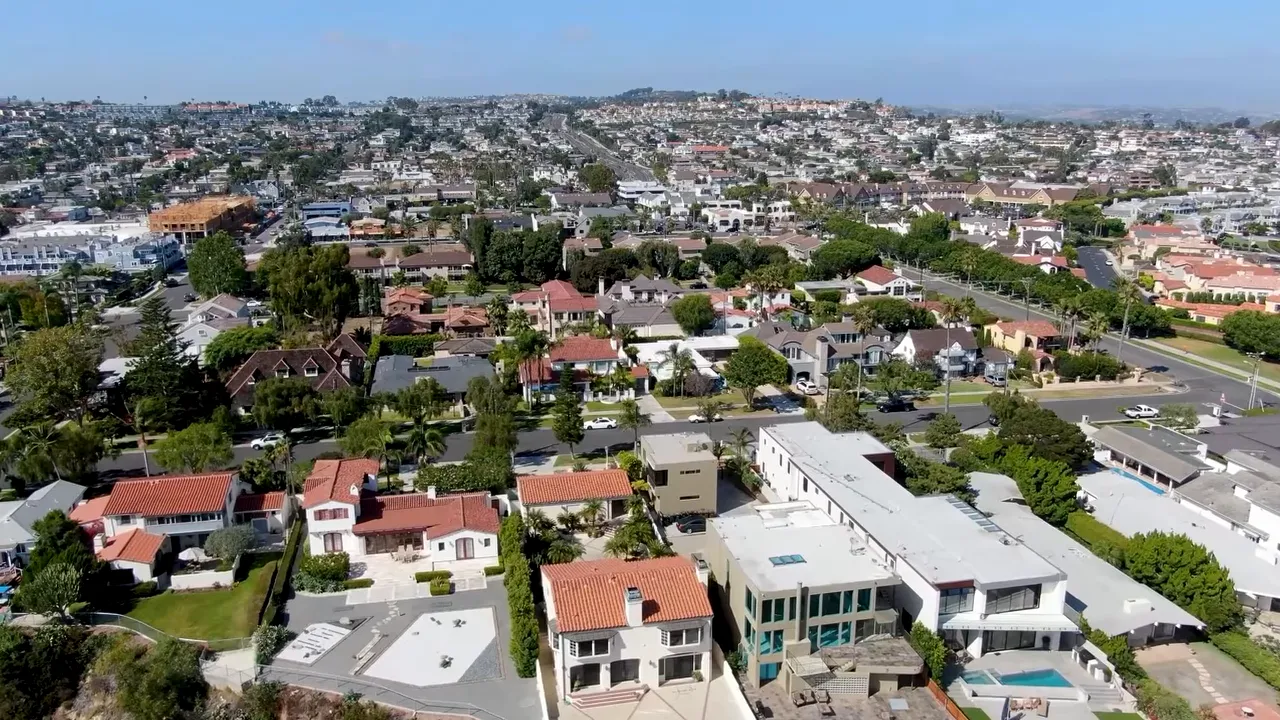
The first thing to understand before moving to Orange County is the budget. This is one of the more expensive places to live in the United States, and housing is the biggest reason why.
The cost of living has been estimated at roughly 60 to 65 percent above the national average. In the market comparison discussed here, Orange County home prices were around $1.2 million, while the national median was roughly $400,000. Those figures change with the market, of course, but the overall gap is the important takeaway.
When planning a move, do not stop at the purchase price or rent. Build out the whole monthly picture:
- Mortgage or rent payments
- Property taxes, insurance, and possible HOA dues
- Higher grocery and restaurant bills
- Fuel and vehicle expenses
- Childcare and other service costs
Anything service-oriented tends to cost more here. Childcare, salon appointments, household help, and many everyday conveniences can add up quickly. Moving to Orange County can absolutely work financially, but it is best approached with a realistic monthly budget rather than just a target home price.
2. HOAs and Homeownership in Orange County
A lot of Orange County is made up of planned communities, so homeowners associations are extremely common. For some people, that is a big plus. For others, it is a deal breaker.
An HOA can help maintain the manicured, cohesive look that people often associate with the area. There are rules around exterior changes, parking, landscaping, and general neighborhood standards. In practical terms, those rules can keep a neighbor from turning their yard into a parking lot for 15 cars.
Of course, HOA dues and restrictions deserve a close look before you buy. Review the fee, what it covers, the community rules, and whether there are additional master association costs.
If HOA living is not for you, you still have options. Roughly 40 percent of the county is not HOA-covered, and many of those neighborhoods are still beautiful, established, and full of amenities. Moving to Orange County does not mean you must choose an HOA, but you do need to make it a priority in your home search.
3. Insurance Costs in Orange County
Insurance is another detail that can surprise people moving to Orange County. Home insurance, fire insurance, and earthquake insurance are not always one simple, bundled conversation.
Depending on the property and location, fire coverage may be especially important. If a home is in a high-fire zone and has a mortgage, fire insurance may be required. Earthquake insurance is generally optional, but a home’s location, including whether it is in a liquefaction zone, should factor into the decision.
Before making an offer, ask for an insurance estimate tied to that specific property. This is one of those costs that can vary significantly by home, not just by city. An insurance broker can help compare coverage options and package policies where appropriate.
4. Driving and Transportation in Orange County
Moving to Orange County means getting comfortable with driving. The county is spread out, and public transportation does not work like it does in New York or San Francisco. Most daily routines, from school drop-offs to groceries, appointments, and social plans, are easier with a car.
There are transportation options. The Orange County Transportation Authority operates buses, Amtrak can connect you with Los Angeles County and San Diego, and projects such as the OC Streetcar are part of broader transit improvements. Irvine Connect is also a newer local option that people have been discovering and using.
Still, transportation should be part of your location strategy. Consider commute times, proximity to the people and places you will visit most, and how many vehicles your household will realistically need. Living in Orange County CA can be very convenient, but convenience is often tied to your ability to get around by car.
5. Family-Friendly Living in Orange County
For families, this is one of the strongest reasons for moving to Orange County. There is an unbelievable amount to do with kids, and many parents who once lived in Los Angeles choose Orange County when they are ready to raise a family.
Major attractions such as Disneyland, Knott’s Berry Farm, Adventure City, and Discovery Cube are all part of the mix. Beyond those larger destinations, there are indoor playgrounds, neighborhood parks, community activities, and kid-centered options throughout the county.
It is also remarkably dog friendly. Many restaurants welcome well-behaved dogs on patios and even provide water bowls. There are dog parks throughout the county, including Central Bark in Irvine and Bark Park in Costa Mesa, plus the popular dog beach in Huntington Beach.

6. Orange County Schools: What to Know
Schools are one of the biggest reasons families consider moving to Orange County, but this is also one of the most important details to verify correctly. School assignments are determined by the individual property address, not simply by city name or ZIP code.
For example, a home with an Irvine mailing address does not automatically mean enrollment in Irvine Unified School District. Depending on the exact address, it could fall under Saddleback Valley Unified or Tustin Unified. The same issue comes up in other Orange County cities as well.
Do not make assumptions based on a listing headline. Check school boundaries for every home you are seriously considering, then evaluate whether the available schools fit your child’s needs and your family’s priorities.
|
7. The Reality of Living in Orange County
This is a softer factor, but it is real. There can be a noticeable “keeping up with the Joneses” energy in certain circles. It may show up in clothes, purchases, kids’ activities, extracurriculars, and even birthday parties.
Not everyone buys into it, and you do not have to either. But it is worth knowing that this pressure can be present, especially for families new to the area. The healthiest approach is to be clear on your own values, budget, and definition of a good life.
Moving to Orange County is much more enjoyable when you focus on the experiences that genuinely matter to your family rather than feeling pressured to match someone else’s lifestyle.
8. Parks, Trails and Nature in Orange County
People naturally associate Orange County with the ocean, and yes, beach life is a huge draw. But the county is much more than its coastline. Inland areas have walking trails, bike trails, parks, hillsides, open spaces, and planned communities designed around outdoor access.
Communities such as Irvine, Rancho Mission Viejo, and Rancho Santa Margarita have done an especially strong job integrating trails and green space into everyday neighborhood life. You can find places to walk, ride, or spend time outdoors without necessarily driving to the coast.
That outdoor access also means wildlife. Depending on where you live, you may see coyotes, rabbits, rattlesnakes, eagles, and other birds of prey. Birdwatching is especially popular around the Back Bay and along San Diego Creek, which runs through Irvine toward Newport’s Back Bay.
9. Orange County Communities and Diversity
Orange County is incredibly diverse, even though the feel of individual neighborhoods can vary a lot. Across the county, there are significant Korean, Chinese, Hispanic, and many other communities.
That diversity shapes daily life in a very positive way. It creates different cultural experiences, communities, businesses, and food options. Where you land will influence your immediate experience, so it is helpful to explore several areas before deciding where moving to Orange County will make the most sense for you.
10. Food and Dining in Orange County
The food scene has grown dramatically over the last five to ten years. There are now far more choices, more quality, and more variety than many people expect. Diversity plays a major role in that, with countless opportunities to try different cuisines and restaurant styles.
From casual local favorites to polished restaurants, Orange County is becoming a destination for dining. The continued growth around OC Vibe is also bringing more restaurants and energy to the area. For food lovers, moving to Orange County comes with plenty to explore.
Moving to Orange County From Abroad
If you are moving to Orange County from another country, there are a few practical items that need attention early.
Get Set Up To Drive
California requires new residents to get a driver’s license within 10 days of establishing residency. For the driving test, you may need to bring a California-licensed driver with you. Car registration is another early task to put on your relocation checklist.
Understand Health Insurance Options
Health insurance can be difficult to navigate when you are unfamiliar with the American system. HMO, PPO, and private plans work differently, so it is wise to research your options before arrival. The goal is to have coverage in place as soon as possible.
Be Intentional About Making Friends
Making friends can take time. People are not necessarily unfriendly, but many are initially reserved, and the car-dependent nature of the county means spontaneous connections happen less often.
Be intentional. Join a run club, take part in a hobby group, meet other parents through school activities, and show up consistently. Building your community is an active part of settling in after moving to Orange County.
Is Orange County Right for You?
Moving to Orange County is not about finding a universally perfect place. It is about finding the right balance of lifestyle, budget, commute, schools, outdoor access, community, and home type for you.
The higher costs, insurance details, HOAs, driving, and social adjustment are all real considerations. So are the family-friendly amenities, nature, diversity, schools, restaurants, and access to the coast. When you understand both sides, you can make a decision with confidence instead of being surprised after you arrive.

Frequently Asked Questions About Moving To Orange County
Is Orange County expensive to live in?
Yes. Housing is the largest factor, but groceries, gas, childcare, and many service-based expenses can also be higher than in much of the country.
Do I need a car when living in Orange County CA?
For most households, yes. There are buses, Amtrak service, Irvine Connect, and transit improvements underway, but daily life is still largely car-dependent.
Are Orange County schools assigned by ZIP code?
No. School assignments are based on the specific property address. A home in one city may be served by a different school district than expected, so verify boundaries before purchasing or renting.
Are there homes without HOAs in Orange County?
Yes. Although HOAs are common in planned communities, approximately 40 percent of the county is not HOA-covered. Both HOA and non-HOA neighborhoods can offer attractive homes and amenities.
Ready to make your move to Orange County? Whether you're comparing communities, researching schools, or looking for the right home, I can help you navigate the process with confidence. Call/Text 602-828-7381 or book a FREE consultation here to get started.
READ MORE: Leaving Orange County? 5 Best Places to Live Nearby