Orange County Real Estate: What to Expect in 2026
Yulree Chun Tio and Kai Kim are Orange County real estate advisors offering strategic marketing, skilled negotiation, and white-glove local guidance.
I've been watching Orange County real estate long enough to know when something feels off. 2025 was one of those years. Rates dropped, inventory climbed, and yet the market didn't crack the way everyone expected. Homes still sold. Prices held. Buyers who waited for a crash found themselves competing again by fall.
Now we're heading into 2026, and I'm seeing patterns that tell me this year will be different in ways most people aren't talking about yet. Not a collapse, not a boom, but a recalibration. If you're planning to buy or sell in Orange County this year, the strategies that worked in 2022 or even last spring won't cut it anymore.
Here's what I think is coming, based on what I'm seeing on the ground right now.
Table of Contents
What Actually Happened in 2025
Let's start with what we all expected versus what actually played out. Coming into 2025, the narrative was clear: rates would drop, affordability would improve, and buyers would flood back into the market. That's not quite how it went.
Rates did come down, but not in the dramatic way headlines suggested. We saw movement, sure, but the drop was gradual and uneven. Some months felt like progress, others felt like we were stuck in the same range we'd been in for a year. The bigger story was inventory. We had more homes on the market than we'd seen in a while, which should have meant more options and less competition.
But here's the thing: even with more inventory, the market didn't soften the way people thought it would. Homes that were priced right still moved. Buyers who were ready still had to compete. The difference was that overpriced listings sat longer, and sellers who didn't adjust got stuck. It was a market that rewarded preparation and punished assumptions.

Why Everything Still Felt Expensive
This is the question I heard all year: if rates are lower and there are more homes, why does it still feel so expensive? The answer is that affordability isn't just about interest rates. It's about the total cost of entry, and in Orange County, that bar is still high.
Even with rates in the low 6s or high 5s, the median home price in Orange County didn't drop. It held steady, and in some pockets, it even climbed. So while your monthly payment might have improved slightly compared to 2023, you were still looking at the same price tags. Add in property taxes, HOA fees, and the reality that most buyers are stretching to get into their first choice neighborhood, and you see why it didn't feel like relief.
The other piece is that the homes hitting the market weren't always the ones buyers wanted. We saw more inventory, but a lot of it was older stock, fixer-uppers, or properties in areas that required longer commutes. The turnkey homes in top school districts? Those still had multiple offers.
Why Interest Rates Finally Came Down
Rates dropped in 2025 because the Federal Reserve started easing, but the timing and pace were slower than most people anticipated. Inflation cooled, but not fast enough to trigger aggressive cuts. What we got instead was a cautious, incremental approach that brought rates down from the 7s into the 6s, and by the end of the year, we were flirting with the high 5s.
For buyers, that made a difference, but not a transformational one. A half-point drop on a $1.2 million home saves you a couple hundred dollars a month. That's real money, but it's not the kind of shift that suddenly makes Orange County affordable if you were priced out before. It just made the math slightly less painful.
The bigger impact was psychological. Lower rates brought hesitant buyers off the sidelines. People who had been waiting for the "right time" started to feel like this might be it. That created more activity, which kept prices from falling even as inventory rose.
What Changed in Orange County Specifically
Orange County didn't follow the same script as the rest of Southern California in 2025. While some markets saw price corrections or longer days on market across the board, Orange County stayed stubborn. Irvine, Newport Beach, and the coastal cities barely blinked. Prices held, and in some cases, appreciated.
What did change was the middle tier. Homes in the $800K to $1.2 million range, especially in areas like Tustin, Lake Forest, and parts of Anaheim Hills, saw more negotiation. Sellers had to be realistic. Buyers had leverage if they were patient. But even there, the market didn't collapse. It just shifted from a seller's market to something closer to balanced.
The other shift was in new construction. Builders in the Great Park neighborhoods and other master-planned communities started offering incentives again: rate buydowns, upgrades, closing cost credits. That was a signal that demand had cooled slightly, but it also meant buyers had options they didn't have in 2022 or 2023.
What This Means for Buyers in 2026
If you're buying in 2026, here's what I think you need to know. This is not a market where you can wait for a crash and swoop in. It's also not a market where you need to panic and overpay. It's a market where strategy matters more than timing.
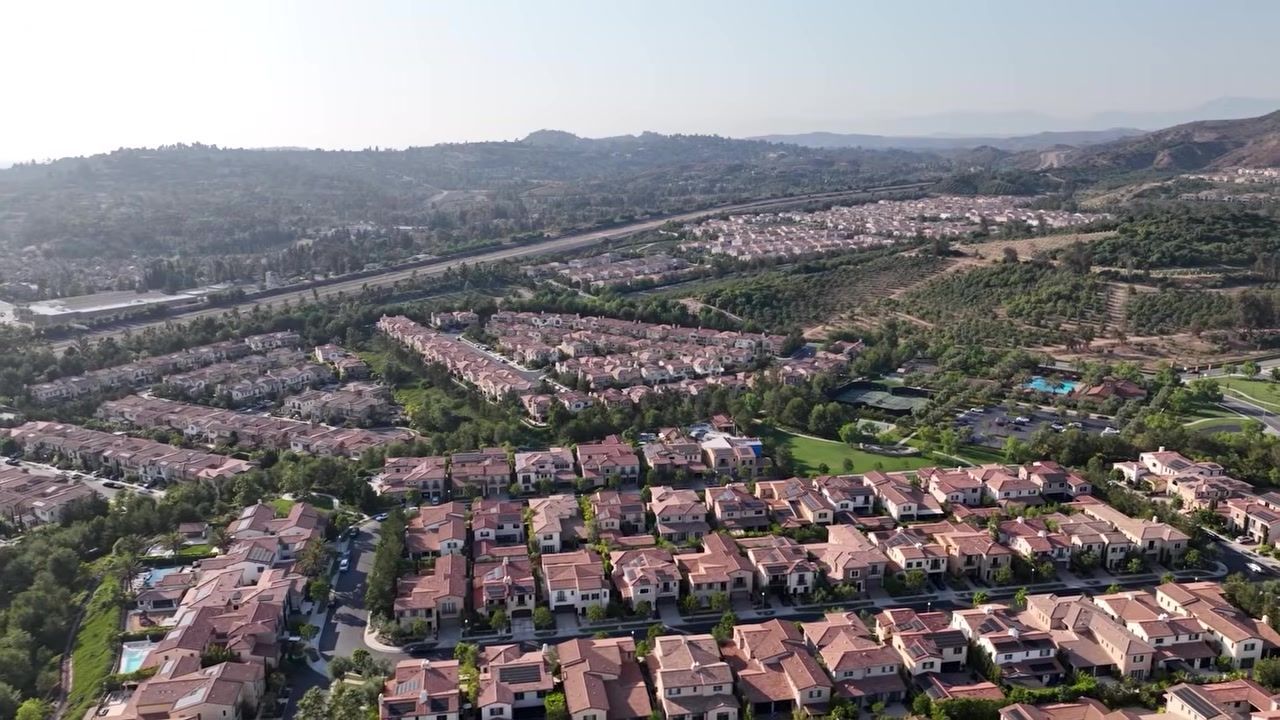
First, rates are likely to stay in the range we're in now, maybe drifting slightly lower, but don't count on a return to 3% or even 4%. If you're waiting for that, you're going to be waiting a long time. Focus on what you can afford at today's rates, and if rates drop later, you can refinance.
Second, inventory is going to stay elevated compared to the last few years, but that doesn't mean every home is a deal. You'll have more choices, but you'll also see more homes that have been sitting because they're overpriced or need work. Do your homework. Know what comparable homes have sold for, and don't assume that just because something has been on the market for 60 days, the seller is desperate.
Third, if you're looking in Irvine or the coastal cities, expect competition. Those areas didn't soften much in 2025, and I don't see that changing in 2026. If you're looking in the inland or mid-tier markets, you'll have more room to negotiate, but you still need to be ready to move when the right home comes up.
Finally, don't skip the inspection, and don't waive contingencies unless you absolutely have to. This isn't 2021. Sellers are more willing to work with buyers who have reasonable requests, and you don't want to buy a problem just because you were in a hurry.
What This Means for Sellers in 2026
If you're selling in 2026, the biggest mistake you can make is pricing like it's still 2022. That market is gone. Buyers today have options, and they're not going to overpay just because you think your home is worth more than the comps.
Start with realistic pricing. Look at what's sold in the last 60 days, not what's listed. If your agent is telling you to price high and see what happens, find a different agent. Overpriced homes sit, and once a home has been on the market for 30 or 45 days, buyers start to wonder what's wrong with it. You lose leverage, and you end up selling for less than if you'd priced it right from the start.
Presentation matters more now. Buyers expect homes to show well. That doesn't mean you need to stage like a model home, but it does mean fresh paint, clean carpets, and fixing the obvious stuff. If your home looks dated or neglected, buyers are going to lowball you or walk away.
Timing also matters. Spring is still the best time to sell in Orange County, but if you wait until late spring or summer, you'll be competing with more inventory. If you can list in February or early March, you'll catch the buyers who are ready to move before the market gets crowded.
How Smart Sellers Can Win in 2026
The sellers who are going to do well in 2026 are the ones who treat this like a business decision, not an emotional one. That means being flexible, listening to feedback, and adjusting when the market tells you to.
If you get an offer in the first two weeks, take it seriously. Even if it's not your dream number, it's probably close to market value. The longer your home sits, the weaker your position gets. I've seen sellers turn down solid offers in week one, only to accept a lower offer two months later after a price cut.
Be willing to help with closing costs or offer a rate buydown if that's what it takes to close the deal. Buyers are payment-sensitive right now, and a small concession on your end can make the difference between a sale and another month of carrying costs.
Finally, work with an agent who knows Orange County and knows how to price and market in this environment. This is not a market for DIY sellers or agents who are just going through the motions. You need someone who understands what buyers are looking for and how to position your home to stand out.
Conclusion
2026 is shaping up to be a year of opportunity for both buyers and sellers in Orange County, but only if you approach it with the right strategy. Buyers who are prepared and realistic will find more options and less competition than they've seen in years. Sellers who price right and present well will still get strong offers, but the days of multiple offers over asking on every listing are behind us.
If you're thinking about making a move this year, let's talk. Call/text 602-828-7381 or book a FREE consultation here. I can walk you through what's happening in your specific neighborhood, what your home might sell for, or what you can realistically afford as a buyer. This is the kind of market where local knowledge and honest advice make all the difference.
FAQ
Will home prices drop in Orange County in 2026?
I don't see a significant price drop coming in 2026, especially in high-demand areas like Irvine and the coastal cities. What's more likely is that prices will stay flat or see modest appreciation in some neighborhoods, while others see slight corrections. The market is stabilizing, not crashing.
Should I wait for interest rates to drop further before buying?
Waiting for rates to drop significantly is a gamble. Rates may drift slightly lower, but they're unlikely to return to the historic lows we saw a few years ago. If you find the right home and can afford the payment at today's rates, buying now and refinancing later if rates drop is a smarter move than waiting indefinitely.
Is it still a seller's market in Orange County?
It depends on the neighborhood and price point. In Irvine and the coastal areas, sellers still have the upper hand, though not as much as in 2021 or 2022. In the mid-tier and inland markets, we're closer to a balanced market where both buyers and sellers have negotiating power.
What's the best time to list my home in 2026?
Early spring, specifically February through early April, is typically the best window to list in Orange County. You'll catch buyers who are motivated to move before summer, and you'll face less competition from other sellers than if you wait until late spring or summer.
Are new construction homes a better deal than resale in 2026?
New construction can be a good option if builders are offering incentives like rate buydowns or closing cost credits. However, you'll often pay a premium for new construction compared to resale, and you may have less room to negotiate on price. Compare the total cost and what you're getting before deciding.
How much should I expect to negotiate as a buyer in 2026?
It depends on how long the home has been on the market and how it's priced. Homes that are priced right and recently listed may not have much room for negotiation, but homes that have been sitting for 30 or 60 days are fair game. Expect to negotiate on price, closing costs, or repairs, but don't expect sellers to accept lowball offers unless the home is clearly overpriced.

Stay ahead of trends
Orange County AND BEYOND Market UPDATES
Go beyond the headlines with our deep-dive analysis into local real estate trends and economic shifts. We translate complex market data into actionable advice for homeowners and investors.