
Where to Live in Orange County: North, South & Coastal OC
Yulree Chun Tio and Kai Kim are Orange County real estate advisors offering strategic marketing, skilled negotiation, and white-glove local guidance.
Orange County isn't one market. It's three distinct regions, each with its own rhythm, price point, and trade-offs. We help families relocate to and around Orange County every single day, and the biggest mistake we see is people treating the county like it's all the same. It's not. North OC feels different from South OC. Coastal communities operate on their own logic. And inside each region, you've got four price tiers that determine what kind of home, lot, and lifestyle you're actually buying.
This isn't about which area is "best." It's about which one matches how you live, where you work, and what you're willing to spend. We're going to walk through North OC, South OC, and the Coastal corridor, then break down the four price tiers that show up across the county. By the end, you'll know exactly where to focus your search and what each area actually delivers.
Let's start with the map.
Table of Contents
Orange County Map Overview
Orange County runs from the LA County line in the north down to San Diego County in the south. The 5 Freeway cuts straight through the middle. West of the 5, you've got the coast. East of the 5, you're inland. That geography matters because it dictates commute times, weather, and price.
When we talk to buyers, we split the county into three zones: North OC, South OC, and Coastal OC. Each zone has its own character. North OC is older, denser, closer to LA and job centers in Anaheim and Fullerton. South OC is newer, more spacious, farther from the urban core. Coastal OC is its own category. You're paying for proximity to the ocean, and that premium is real.
Understanding these zones before you start touring homes will save you weeks of confusion. You're not just picking a house. You're picking a region, and each one comes with a different set of assumptions about commute, schools, lot size, and resale.
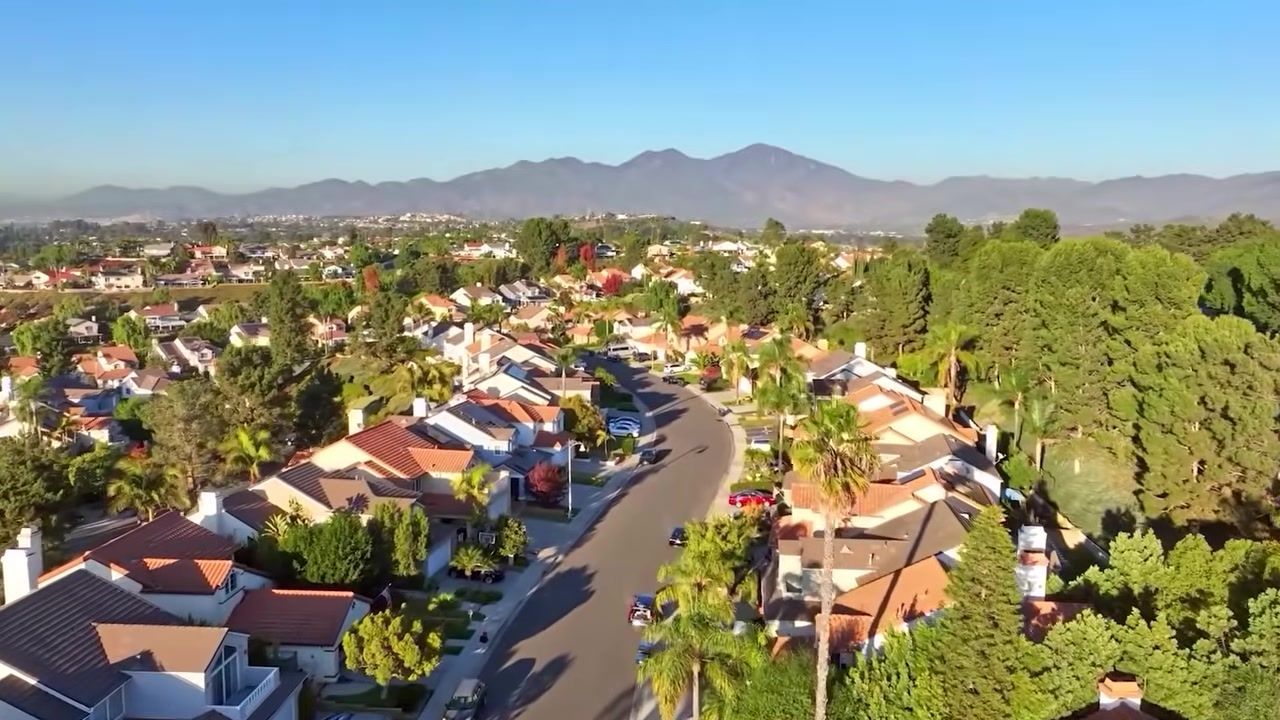
North Orange County: Accessibility and Value
North OC includes cities like Fullerton, Anaheim, Buena Park, Garden Grove, Orange, Santa Ana, and Tustin. This is the older part of the county. Homes here were built in the '50s, '60s, and '70s for the most part. You'll find smaller lots, mature trees, and neighborhoods that feel established.
The big advantage is location. If you work in LA, North OC cuts your commute. You're closer to the 5, the 91, the 57. You've got access to job centers in Anaheim and Fullerton without the drive time you'd face from South OC. That proximity matters when you're doing the math on your daily schedule.
Pricing in North OC tends to be lower than South OC or the coast, but it's not uniform. Fullerton and parts of Orange command higher prices because of walkable downtowns and school district reputation. Buena Park and Garden Grove offer more entry-level inventory. Santa Ana has pockets of older homes on larger lots that attract investors and buyers willing to renovate.
The trade-off is age and density. You're not getting the modern floor plans or the HOA amenities you'd find in a South OC master plan. Lot sizes are smaller. Street parking can be tight. Some neighborhoods feel more urban than suburban. But if you want access to jobs, shorter commutes, and a lower entry price, North OC delivers.
South Orange County: Space and Newer Construction
South OC is where you go for newer homes, master-planned communities, and more space. We're talking Irvine, Tustin Ranch, Lake Forest, Mission Viejo, Rancho Santa Margarita, Aliso Viejo, Laguna Niguel, San Juan Capistrano, and Rancho Mission Viejo. This is the part of the county that was built out in the '80s, '90s, and 2000s, with new construction still happening in places like the Great Park Neighborhoods in Irvine and Rancho Mission Viejo.
The appeal is obvious. You get modern floor plans, HOA amenities like pools and parks, and neighborhoods designed around schools and shopping. Lot sizes are still modest compared to other parts of the country, but you're not dealing with the tight quarters of North OC. The communities feel planned. Everything is newer, cleaner, more polished.
The downside is commute. If you work in LA or even central Orange County, you're adding 20 to 40 minutes each way. Traffic on the 5 and the 405 is a daily reality. You're also paying more per square foot than you would in North OC. The premium for newness and space is real.
South OC also skews toward families. The master plans are built around schools, parks, and youth sports. If you're looking for walkable nightlife or an urban vibe, you won't find it here. But if you want a quiet cul-de-sac, a community pool, and a backyard, South OC is where that lifestyle lives.

Coastal Orange County: Lifestyle Premium
Coastal OC is Huntington Beach, Newport Beach, Costa Mesa, Laguna Beach, Dana Point, and San Clemente. This is where the ocean proximity premium kicks in. You're not just paying for a home. You're paying for the ability to walk or bike to the beach, for the coastal weather, for the perception that comes with a coastal address.
Pricing here is the highest in the county. Even older homes on smaller lots cmmand premiums because of location. Newport Beach and Laguna Beach are at the top of the market. Huntington Beach and San Clemente offer slightly more accessible entry points, but you're still looking at prices well above inland communities.
The lifestyle is different. Coastal OC feels more relaxed, more outdoor-focused. You've got beach access, harbor access, coastal trails, and a culture that revolves around the water. The weather is cooler in summer, foggier in spring. If you're someone who uses the beach regularly, the premium makes sense. If you're not, you're paying for something you won't use.
Commute is another factor. Coastal OC is farther from job centers in Irvine and Anaheim. PCH can be slow. The 405 is a parking lot during rush hour. If you work inland, you're trading commute time for coastal access. Some buyers make that trade happily. Others regret it six months in.
Orange County's 4 Key Price Tiers
Across all three regions, Orange County breaks into four price tiers. These tiers show up in North OC, South OC, and Coastal OC, but what you get at each tier varies by location.
Tier 1: Entry-Level
This is condos, townhomes, and older single-family homes in areas like Garden Grove, Santa Ana, and parts of Anaheim. You're looking at smaller square footage, older construction, and less desirable school districts in some cases. The advantage is price. This is where first-time buyers and investors start.
Tier 2: Mid-Range
This tier includes newer townhomes in South OC, single-family homes in North OC cities like Fullerton and Orange, and older coastal condos. You're getting more space, better locations, and access to stronger school districts. This is the sweet spot for a lot of relocating families.
Tier 3: Move-Up
Here you're looking at single-family homes in Irvine, Lake Forest, Mission Viejo, and parts of Huntington Beach. You get modern floor plans, HOA amenities, local schools, and neighborhoods that feel polished. This is where buyers with equity or higher incomes land.
Tier 4: Luxury
Newport Beach, Laguna Beach, coastal homes in San Clemente, and estate properties in Coto de Caza and Shady Canyon. You're paying for views, lot size, custom finishes, and prestige. This tier is about lifestyle and status, not just shelter.
Understanding these tiers helps you set realistic expectations. What $800,000 buys you in North OC is completely different from what it buys you in Newport Beach. The tier tells you what kind of home you're getting. The region tells you what kind of life you're buying into.
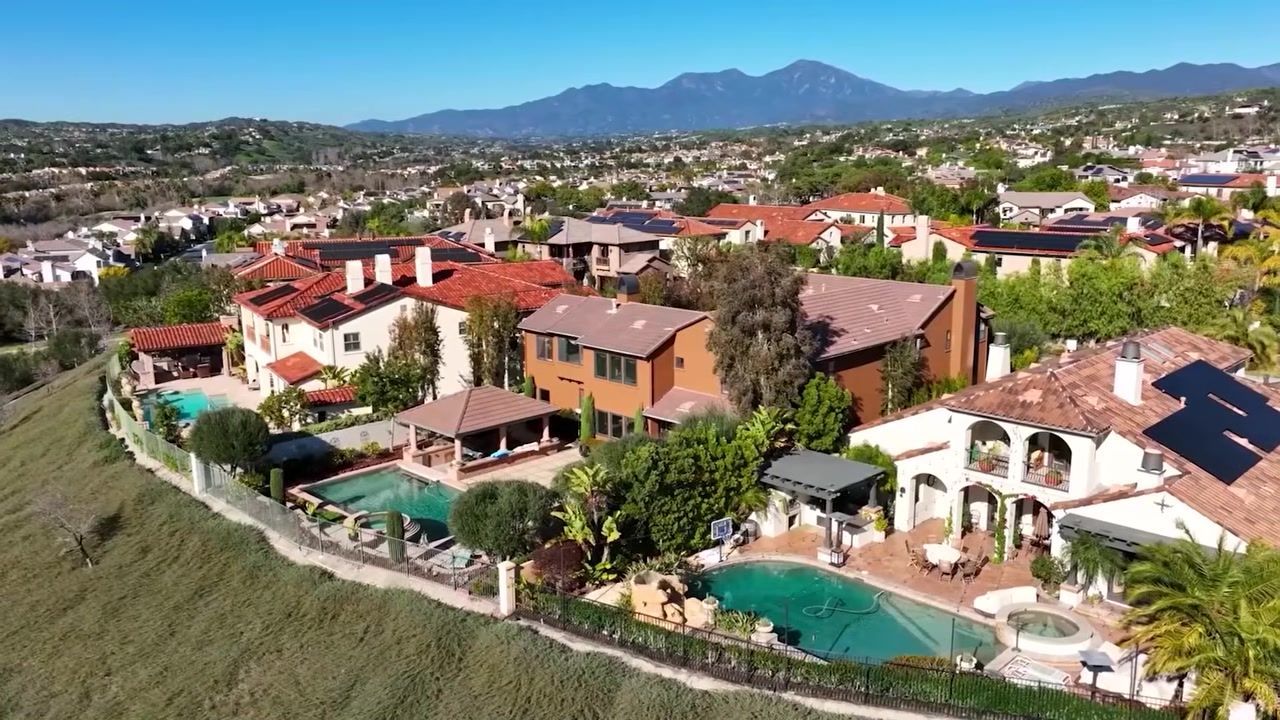
Which Orange County Area Is Right for You?
Choosing between North OC, South OC, and Coastal OC comes down to three questions: Where do you work? What do you value? What can you afford?
Choose North OC if you work in LA or central OC, want a shorter commute, and care more about location than newness. You'll trade modern amenities for accessibility and lower prices.
Choose South OC if you want newer construction, master-planned communities, and space for a family. You'll trade commute time for a quieter, more suburban lifestyle.
Choose Coastal OC if you use the beach regularly, value the coastal lifestyle, and can afford the premium. You'll trade price and commute for ocean access and a relaxed vibe.
None of these choices is wrong. They're just different. The mistake is picking a region because it sounds good on paper without thinking through how you'll actually live there.
Conclusion
Orange County is three markets, not one. North OC gives you access and value. South OC gives you space and newness. Coastal OC gives you lifestyle and prestige. Inside each region, four price tiers determine what kind of home you're actually buying.
Kai and I walk buyers through these trade-offs every day. We help you figure out which region matches your commute, your budget, and how you want to live. If you're relocating to Orange County and you're not sure where to start, let's talk. We'll map out your options, show you what's available in each area, and help you avoid the wrong fit.
Call/text 602-828-7381 or book a FREE consultation here and we'll get you pointed in the right direction.
FAQ
Which Orange County area has the shortest commute to LA?
North OC cities like Fullerton, Buena Park, and Anaheim are closest to the LA County line. You're looking at 30 to 60 minutes depending on traffic and where in LA you're headed. South OC adds another 20 to 40 minutes each way.
Is South OC more expensive than North OC?
Generally, yes. South OC homes are newer and larger, and you're paying a premium for master-planned communities and newer construction. But pricing varies by city and neighborhood. Some parts of North OC, like Fullerton, can be just as expensive as mid-tier South OC.
What's the difference between Coastal OC and inland OC weather?
Coastal OC is cooler in summer and foggier in spring. Inland areas like Irvine and Lake Forest can be 10 to 15 degrees warmer. If you want consistent beach weather, you need to be within a few miles of the coast.
Are North OC schools worse than South OC schools?
Not across the board. Fullerton, parts of Orange, and Tustin have strong school districts. South OC cities like Irvine and Mission Viejo are known for local schools, but you're paying for that reputation in home prices. Always verify current school ratings and boundaries with the district.
Can I find new construction in North OC?
New construction in North OC is limited. Most inventory is resale homes from the '50s through the '80s. If you want brand-new homes, South OC and parts of Coastal OC have active builders.
Is Coastal OC worth the premium if I don't surf?
That depends on how much you value beach access, coastal weather, and the lifestyle. If you're not using the beach regularly, you're paying for something you won't enjoy. Inland areas offer better value for the same square footage.

Stay ahead of trends
Orange County AND BEYOND Market UPDATES
Go beyond the headlines with our deep-dive analysis into local real estate trends and economic shifts. We translate complex market data into actionable advice for homeowners and investors.